
Description
Built around hygienic design principles and generally conforming to 3-A sanitary design guidelines, each sanitizing cabinet batch washer is engineered to help reduce cross-contamination risk while supporting sanitation programs, cleaning validation requirements, and production uptime. Systems can be configured with controlled wash chemistry, chemical or thermal sanitizing, heated drying, PLC/HMI controls, automated chemical dosing, and optional data recording for process documentation.
Depending on the application, wash and rinse solution can be recirculated for efficient operation or flushed to drain after each cycle to help prevent cross-contamination between batches. This flexibility is especially valuable in food, pharmaceutical, biomedical, and other hygiene-critical environments where product changeover, allergen control, or contamination risk must be carefully managed.
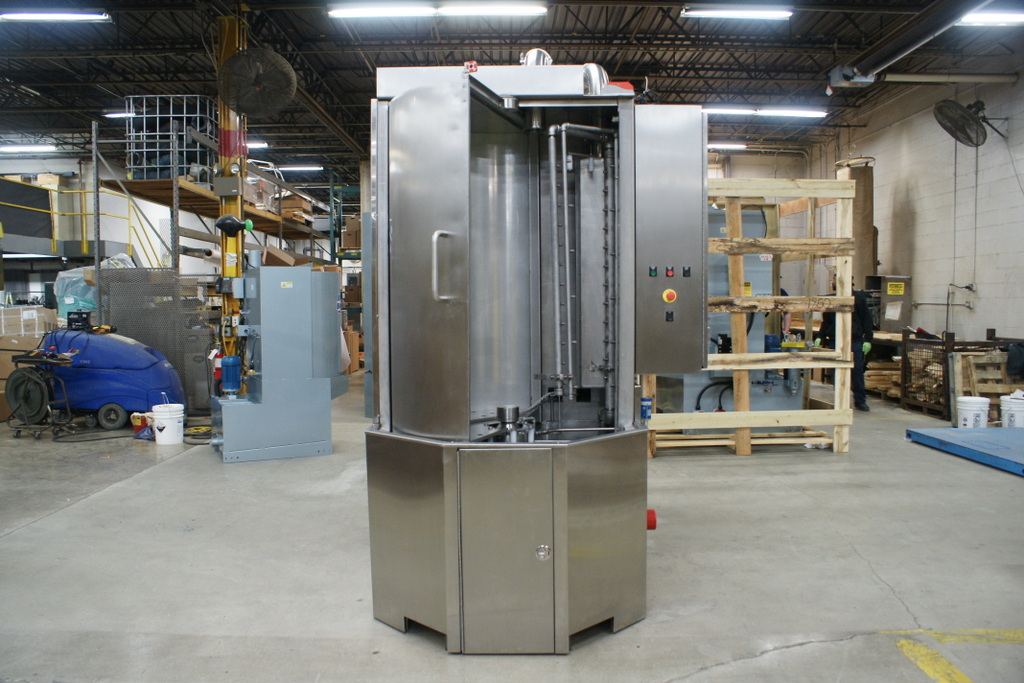
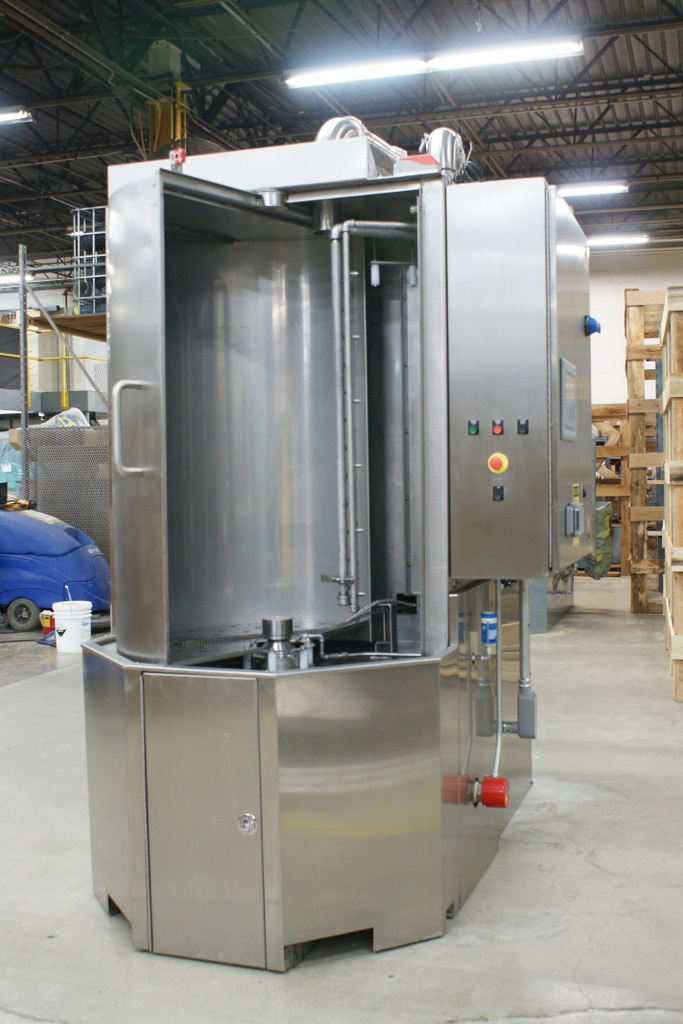
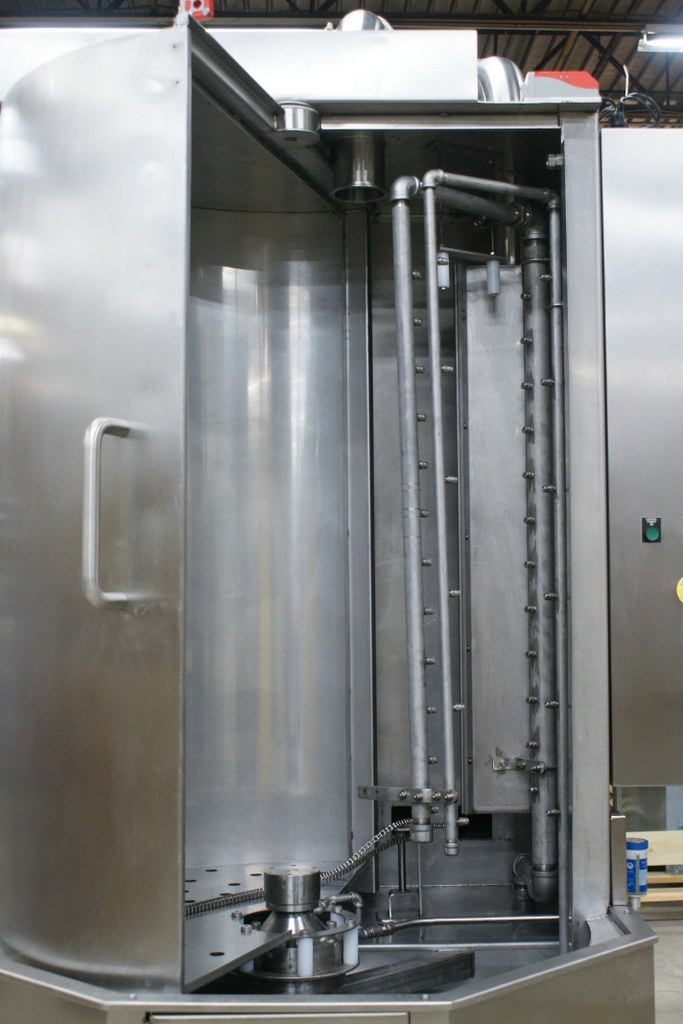
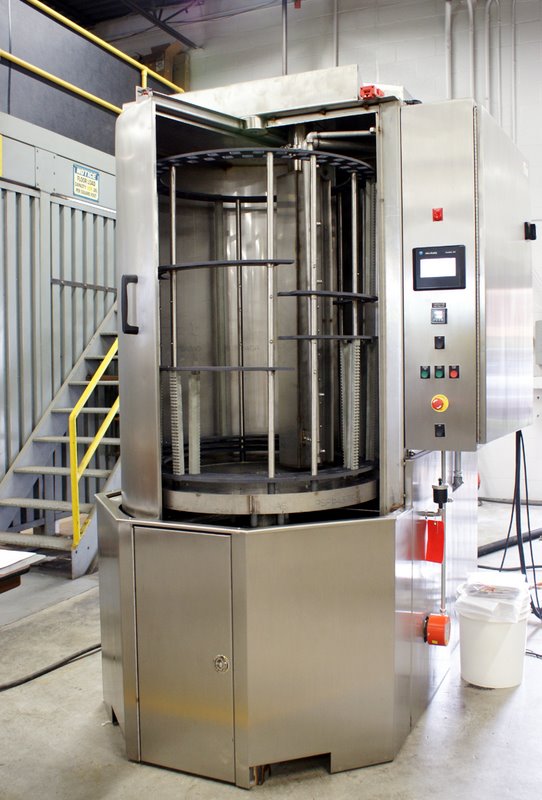
The cabinet design exposes a portion of the turntable to support ergonomic loading and unloading of larger containers and production equipment, while the enclosed wash chamber provides controlled spray coverage throughout the automated cleaning cycle.
For facilities that need flexible sanitary batch cleaning without the footprint of a tunnel washer, Better Engineering sanitary cabinet parts washers provide a compact, repeatable, and validation-ready solution.
Hygienic Cabinet Washer for Batch Sanitization
Better Engineering sanitary cabinet parts washers are automated hygienic cabinet washers designed for batch cleaning and sanitizing applications where flexibility, process control, and repeatable results are critical. These systems are ideal for food processing, pharmaceutical, biomedical, cosmetic, nutraceutical, and other sanitation-critical environments where equipment and components must be cleaned consistently between uses.
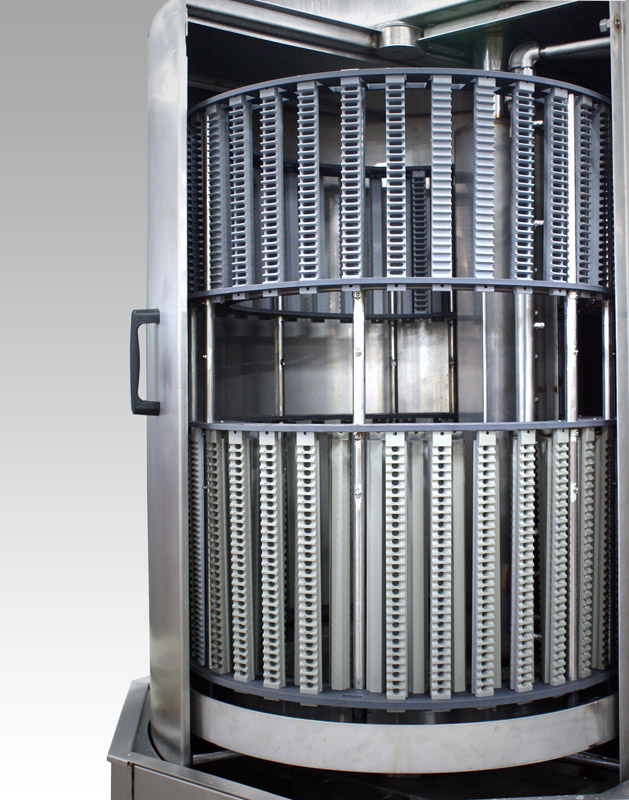
Unlike conveyorized sanitizing systems, sanitary cabinet parts washers allow operators to process varying load sizes and equipment types without requiring continuous production flow. Components are loaded into the cabinet, the door is closed, and the programmed cleaning cycle automatically performs the required wash, rinse, sanitize, blow-off, and optional drying sequence. Common items processed include trays, pans, buckets, containers, utensils, product-contact components, processing equipment, production fixtures, removable machine components, and reusable packaging.
- Non-Recirculated Cleaning: Standard cleaning cycles can utilize non-recirculated solutions that discharge to drain after the cycle to help minimize cross-contamination and maintain sanitizing effectiveness throughout the process.
- Recirculated or Single-Cycle Operation: Sanitary cabinet parts washers can be configured to recirculate wash or rinse solution for improved water, energy, and detergent efficiency, or dump solution between cycles to help minimize cross-contamination. This flexibility allows facilities to balance operating efficiency with sanitation requirements based on the product, soil load, allergen risk, or validation needs of each application.
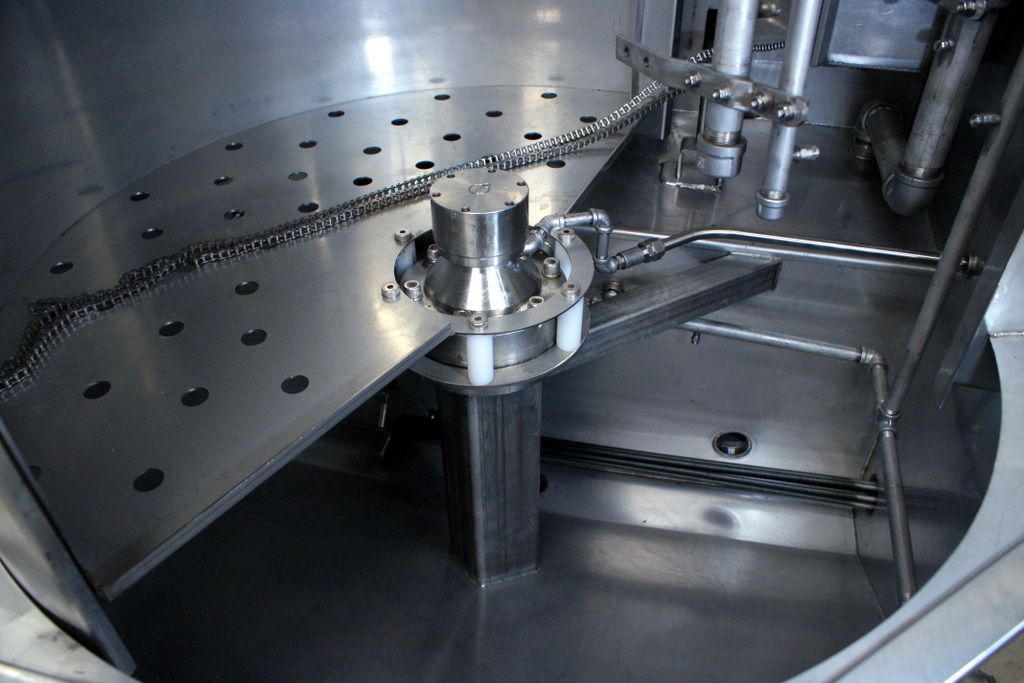
- Automatic Self-Cleaning: Integrated self-cleaning functionality helps reduce contamination risks, clean internal machine surfaces, and prepare the washer for the next cleaning cycle.
Designed for Sanitation & Validation
Better Engineering sanitary cabinet parts washers are designed to support facilities operating under rigorous sanitation, quality, and validation programs. By combining hygienic construction, controlled wash cycles, chemical or thermal sanitization, and optional process documentation, these systems help facilities improve cleaning consistency and reduce manual cleaning variability.
Applications may include support for HACCP programs, FSMA compliance initiatives, GMP environments, FDA-regulated manufacturing, ATP verification programs, EB testing programs, TOC testing programs, Riboflavin coverage testing, and IQ/OQ validation protocols.
Systems can be configured to monitor and record critical cleaning and sanitization parameters such as water temperature, wash cycle duration, sanitizer concentration, rinse performance, drying conditions, chemical usage, alarm history, and batch or cycle records. For advanced process documentation and validation support, systems can be equipped with PLC/HMI controls, data recording, and MES/SCADA integration to capture critical wash and sanitization parameters. These capabilities help support sanitation verification, traceability, quality assurance, and cleaning validation programs.
Door Configurations for Hygienic Access
- Roll-In Door: The roll-in door design helps minimize floor space requirements while exposing a portion of the turntable for ergonomic loading and unloading of larger production items.
- Powered Vertical Lift Door: Two pneumatic cylinders raise the door vertically, providing complete access to the turntable and wash chamber for inspection, maintenance, and sanitation.
- Pass-Through Configuration: For facilities with controlled hygiene zones, sanitary cabinet parts washers can be configured with a pass-through design that supports “dirty-in, clean-out” workflow. This configuration allows soiled items to be loaded from one side of the washer and removed from the clean side after the completed wash, rinse, sanitize, and dry cycle—helping reduce cross-contamination risk and support sanitary production flow.
Target Industries & Applications
Better Engineering sanitary cabinet parts washers are designed for batch cleaning and sanitizing applications across food processing, pharmaceutical manufacturing, biomedical production, cosmetic, nutraceutical, and other sanitation-critical environments. Each system can be configured around your load size, soil conditions, sanitation requirements, validation needs, and available floor space.
From food-contact parts and production tools to reusable containers and removable machine components, Better Engineering sanitary cabinet parts washers help facilities automate cleaning, reduce manual labor, support sanitation programs, and maintain repeatable sanitizing performance.
Built to Reduce Cross-Contamination
Better Engineering sanitary cabinet parts washers incorporate hygienic design features intended to simplify cleaning, inspection, and maintenance while supporting repeatable sanitizing performance. Each system is engineered to help reduce soil accumulation, limit bacterial harborage points, and support controlled cleaning between batches, products, or production zones.
These features help support sanitary operation while reducing opportunities for soil accumulation, solution carryover, and cross-contamination. Combined with controlled wash, rinse, chemical or thermal sanitizing, blow-off, and drying cycles, Better Engineering sanitary cabinet parts washers help facilities improve cleaning consistency, support sanitation verification, and maintain greater confidence in equipment readiness.
Available Sanitizing Cabinet Washer Configurations
Better Engineering sanitary cabinet parts washers are available in multiple configurations to support flexible batch cleaning, sanitizing, rinsing, and drying in food processing, pharmaceutical, biomedical, cosmetic, nutraceutical, and other sanitation-critical environments. Each system can be configured around your load size, soil profile, sanitation requirements, facility layout, validation needs, and operator workflow.
Learn more about our sanitary cabinet, roll-in door, vertical door, and powered vertical door configurations in the “Additional Information” tab.
Wash, Sanitize & Dry Stages
Better Engineering sanitary cabinet parts washers can be configured with the process stages required for your sanitation program, cleanliness standards, and production workflow. Each stage is designed to deliver controlled, repeatable performance for food-contact equipment, trays, pans, buckets, utensils, removable components, and reusable production items.
- Wash Stage: High-volume spray cleaning removes food residue, allergens, oils, debris, and production soils from equipment and product-contact surfaces. Heated wash solution, controlled chemistry, and targeted spray coverage help break down soils and improve cleaning consistency across each batch.
- Fresh Rinse & Sanitizing Stage: Fresh-water rinse and sanitizing stages can be configured for chemical sanitization, thermal sanitization, or process-specific requirements. Depending on the application, rinse or sanitizing solution can be recirculated for efficiency or discharged to drain after each cycle to help reduce cross-contamination risk.
- Drying Stage: Available flash-dry and heated forced-air drying options help remove residual moisture and prepare cleaned equipment for immediate return to production, storage, or downstream processing.
Controls, Process Options & System Features
Better Engineering sanitary cabinet parts washers can be configured with the controls, heating, drying, sanitizing, monitoring, and process features required for your application. From simple wash-and-rinse systems to validation-ready sanitary washers with data acquisition and advanced process control, each system is built around your sanitation goals, facility utilities, and production workflow.