
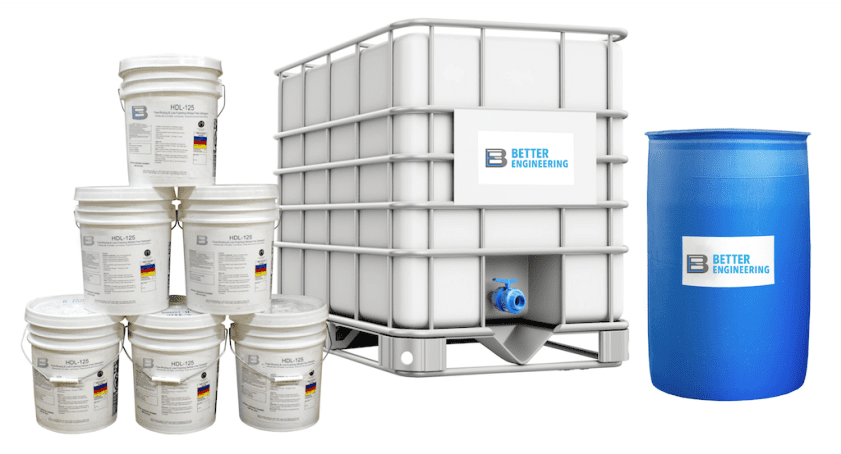
As safety, environmental, and regulatory pressures continue to rise, manufacturers across industries are steadily moving away from solvent-based cleaning systems. In their place, the Aqueous Cleaner has emerged as a powerful, reliable, and cost-effective alternative, delivering exceptional cleaning performance without the risks and compliance challenges that come with traditional solvents.
In this guide, we’ll break down what an aqueous cleaner is, how it works, the different types available, and how to choose the right aqueous cleaning solution for your industrial application.

What Is an Aqueous Cleaner?
An aqueous cleaner is a water-based industrial cleaning solution used to remove oils, greases, coolants, particulates, and other contaminants from manufactured parts. Unlike solvent-based cleaners that rely on volatile chemicals, aqueous cleaners use water combined with engineered additives that lift, break down, and rinse away soils.
How Do Aqueous Cleaners Differ From Solvent Cleaners?
Manufacturers often ask how aqueous cleaning systems stack up against traditional solvent cleaning. Here’s a quick comparison:
| Feature | Aqueous Cleaners | Solvent Cleaners |
| Base Material | Water-based | Chemical solvents |
| Safety |
|
|
| Environmental Impact | Engineered to be cleaner and greener
| Traditional but environmentally burdensome
|
| Cleaning Strength | Aqueous systems deliver highly consistent results through:
They are especially strong in: Removing oils and grease, lifting particulate and chips, and cleaning geometry with internal passages (immersion/ultrasonic.) | Solvent cleaners are highly effective for certain soil types, especially hydrocarbon-based contaminants.
Limitations: may struggle with inorganic/particulate soils; effectiveness depends on exact chemistry–soil match; residues possible if not rinsed or dried properly |
| Cost of Ownership | Aqueous systems typically have higher upfront equipment costs but offer far lower long-term operating expenses.
Savings over time: fewer changeouts, less downtime, and lower cost per cleaned part | Solvent systems often appear inexpensive upfront but carry significant ongoing operating and compliance costs.
Hidden costs: downtime for solvent handling, bath changeouts, and safety protocols |
| Equipment Needed | Aqueous cleaners: Streamlined and specialized for water-based systems
| Solvent cleaners: High-containment and safety-focused
|
| Throughput & Uptime | Faster, more consistent production.
| Operational limitations.
|
What Are the Core Mechanical Components of Industrial Aqueous Parts Washers?
Aqueous parts washers are engineered systems that combine heat, mechanical action, and filtration to remove oils, grease, carbon, and particulates. While designs vary (spray, immersion, ultrasonic, inline), most industrial machines include the following components:
- Wash Tank – Holds the heated cleaning solution.
- Heat System (Electric or Gas) – Brings the solution to the optimal temperature.
- Pump & Spray Manifolds – Deliver high-pressure spray for rapid soil removal.
- Filtration System – Captures particulates and extends bath life.
- Oil Skimmer or Coalescer – Removes floating oils and improves detergent performance.
- Agitation System (rotary baskets, turbulation, mechanical movement) – Enhances cleaning efficiency.
- Ultrasonic Transducers (if included) – Provide precision cavitation for complex geometries.
- Rinse Stage (optional) – Removes detergent and suspended soil.
- Drying System (Hot Air or Blower) – Leaves parts dry and ready for assembly.
- PLC/HMI Controls – Allow programmable, repeatable cleaning cycles.
What Are The Core Chemical Components of Aqueous Cleaning Detergents?
- Surfactants – enhance wetting and soil penetration
- Detergents – dissolve organic contaminants
- Builders – boost alkalinity and cleaning strength
- Chelating agents – remove mineral scale
- Corrosion inhibitors – protect metal surfaces
How Does Aqueous Cleaning Work?
An aqueous cleaner works by:
- Lifting soils from part surfaces
- Emulsifying or dispersing contaminants
- Rinsing residues away through spray, immersion, or filtration
Aqueous cleaners are effective for removing:
- Oils, greases, and lubricants
- Coolants and cutting fluids
- Dirt, particulates, and machining debris
- Light corrosion and oxidation
What Types of Aqueous Cleaners Are There (By pH Level)?
Aqueous cleaning solutions vary widely in chemistry, typically categorized by pH level:
| pH Type | Best For | Common Applications |
| Acidic | Rust, scale, oxidation removal | Metal finishing, descaling |
| Neutral | Light cleaning, sensitive parts | Electronics, precision parts |
| Alkaline | Grease, oils, heavy soils | Automotive, manufacturing |
Alkaline Aqueous Cleaners:
- Best for: heavy oils, greases, organic soils
- Industries: automotive, machining, industrial manufacturing
Neutral Aqueous Cleaners:
- Best for: delicate or sensitive materials
- Industries: electronics, precision cleaning
Acidic Aqueous Cleaners:
- Best for: rust, scale, oxidation
- Industries: metal finishing, descaling operations
What Are the Common Industrial Applications of Aqueous Cleaners?
Aqueous cleaners are widely used for:
- Automotive parts cleaning (engine components, transmissions)
- Aerospace part cleaning (precision metal components)
- Machined parts cleaning (oils, coolants, chips)
- Electronics cleaning (circuit boards, assemblies)
- Medical device cleaning
These applications increasingly rely on aqueous cleaning systems due to tighter global regulations on solvent emissions.
What Are the Benefits of Aqueous Cleaning Systems?
Industrial manufacturers across aerospace, medical, automotive, and general machining are increasingly moving away from solvent-based cleaning and adopting aqueous systems. This shift is driven by a combination of safety improvements, cost reductions, and stricter environmental regulations. Aqueous cleaning uses water-based detergents rather than hazardous solvents, offering a safer and more sustainable approach to parts washing, without sacrificing cleaning performance.
Whether you’re replacing outdated vapor degreasers or upgrading from manual solvent cleaning, aqueous systems deliver measurable advantages that improve both productivity and compliance.
Here’s a clear breakdown of the key benefits:
Water-based chemistries reduce exposure to toxic fumes, flammable liquids, and harsh solvents, helping create a cleaner, safer workspace.
Aqueous systems greatly reduce VOC emissions and hazardous waste generation, simplifying compliance with environmental and workplace safety regulations.
Detergent baths last longer, disposal costs are lower, and facilities avoid recurring purchases of expensive solvents and hazardous waste handling.
Controlled temperatures, mechanical agitation, filtration, and programmable cycles ensure repeatable, high-quality cleaning across all batches.
With no solvent cooling time, flash-off period, or special ventilation requirements, aqueous systems keep production moving and minimize equipment downtime.
How Do Aqueous Cleaning Systems Work?
Aqueous cleaning systems use a combination of water-based detergents, controlled heat, and mechanical action to remove oils, particulates, carbon, chips, and other soils from metal and plastic parts. Unlike solvent systems, which dissolve contaminants, aqueous cleaners lift, suspend, and rinse away soils through a series of engineered chemical and mechanical steps.
Aqueous parts washers are highly versatile and suitable for cleaning a wide range of components across many industries because they use heated water and specialized detergents to remove contaminants like oil, grease, dirt, chips, flux, and other residues.
Typical items and industries:
- Industrial and manufacturing parts: Engine components, bearings, gears, pumps, housings, and machined parts that need removal of oils, coolants, and debris.
- Automotive parts: Drive‑train components, brake parts, transmissions, crankshafts, and other metal components that accumulate grease and residues.
- Precision or delicate items: Smaller precision parts that require thorough cleaning with immersion or ultrasonic cleaning techniques.
- Sanitized or hygienic applications: Parts for food processing, pharmaceutical, or medical applications where meeting hygienic standards (like cGMP or HACCP) is essential.
- Containers and load carriers: Plastic pallets, totes, trays, and RPCs used in food, beverage, and manufacturing environments.
Aqueous cleaning typically follows four core stages:
| Stage | Explanation |
|---|---|
| 1. Surfactants reduce surface tension | Detergents break the bond between the soil and the part surface, allowing water to penetrate and loosen contaminants. |
| 2. Soil begins lifting from the substrate | Heat and mechanical action (spray, ultrasonics, or agitation) accelerate soil removal. |
| 3. Emulsification prevents redeposition | Oils, greases, and particulates are captured and held in suspension so they don’t settle back onto parts. |
| 4. Rinsing or filtration removes contaminants | Clean water or filtered solution flushes soils away, leaving a residue-free surface. |
The effectiveness of an aqueous cleaning system depends on the balance of four primary variables, often referred to as “T.A.C.T.” (Time, Action, Chemistry, Temperature.) When properly balanced, these variables produce consistent, repeatable cleaning results across all part geometries and soil types:
| Factor | Role in the Cleaning Process |
|---|---|
| Heat | Increases detergent activity and reduces viscosity of oils, improving soil release. |
| Agitation (spray pressure, ultrasonics, mechanical motion) | Provides mechanical energy to break soils free and accelerate cleaning. |
| Detergent Chemistry | Surfactants, builders, and additives target specific contaminants (oil, particulate, carbon, scale, etc.). |
| Exposure Time | Ensures sufficient contact between solution and part for complete cleaning. |
| System Type | Best For / Key Features |
|---|---|
| Spray Washers | Fast, aggressive cleaning of parts with accessible surfaces; ideal for high-throughput production. Uses high-pressure jets of heated water and detergent. → Learn more about spray cleaning vs. immersion washing here. |
| Immersion Washers | Submerge parts completely in a heated cleaning solution; agitation helps remove soils from hidden surfaces. Great for parts with blind holes or complex internal passages. |
| Ultrasonic Systems | Precision cleaning for intricate parts. Cavitation reaches crevices and fine geometries that spray or immersion alone cannot. Often immersion-based. → Learn more about the benefits of ultrasonic cleaning here. |
| Conveyor Washers | Continuous production lines. Parts move automatically through cleaning and drying stages. Perfect for factories needing consistent throughput and minimal manual handling. |
| Rotary Drum Washers | Bulk cleaning of small components. The rotating drum exposes all surfaces to spray or immersion, ensuring even cleaning for high-volume batches. |
| Cabinet (Turntable) Washers | Medium-sized batches; operate like a large dishwasher. Load the parts, close the door, and let the automated cycle run. Efficient and easy for repeated use. |
Tip: Choosing the right system depends on part size, geometry, soil type, and production volume. Smaller, intricate parts benefit from ultrasonic or immersion cleaning, while large or continuous production lines may require conveyor, drum, or cabinet systems.
Proper system setup and maintenance extend bath life and ensure reliable cleaning:
| Maintenance / Configuration Area | Description |
|---|---|
| Inline or Batch Layouts | Configured to match production flow—inline for continuous throughput, batch for flexibility. |
| Advanced Filtration | Removes particulates and oils to extend solution life and improve consistency. |
| Periodic Solution Testing | Ensures detergent concentration, pH, and alkalinity stay within optimal ranges. |
| Routine Replenishment | Maintains bath effectiveness and prevents buildup of contaminants. |

Are Aqueous Cleaners Environmentally Friendly?
In most cases, aqueous cleaners are considered a significantly greener alternative to solvent-based cleaning systems. Because they rely on water as the primary solvent and avoid many volatile organic compounds (VOCs) found in solvents, they contribute far less to air pollution and reduce the environmental footprint of industrial cleaning operations. This is one of the major reasons manufacturers in automotive, aerospace, medical, and general manufacturing are shifting toward aqueous cleaning technologies.
Even though aqueous solutions are far more environmentally friendly than solvents, wastewater regulations still apply. Used cleaning solution may contain oils, metal fines, particulates, and other contaminants removed during the wash cycle. This is why modern aqueous parts washers, including those built by Better Engineering, incorporate features like advanced filtration, oil skimming, and solution-management systems that help extend bath life and simplify wastewater handling. These built-in technologies reduce waste, lower disposal costs, and make it easier to stay in compliance with local, state, and federal environmental regulations, all while preserving the sustainability benefits of an aqueous cleaning process.
Benefits include:
Solvents release vapors into the atmosphere during use, storage, and disposal, contributing to air quality problems and triggering stricter EPA regulations. Aqueous cleaners, on the other hand, emit little to no VOCs, which helps companies meet regional and federal environmental guidelines without additional ventilation systems or emission-control equipment.
Because they are non-flammable and generally non-hazardous, aqueous cleaners simplify permitting, storage, handling, and disposal requirements. Manufacturers often see reduced costs related to reporting, hazardous waste documentation, and compliance management, especially in states with strict environmental policies.
Aqueous cleaners are easier to treat and break down once they’ve reached the end of their life cycle. This can lead to fewer environmental risks and lower long-term waste management costs. Note that “biodegradable” does not mean “disposal-free”, so proper wastewater treatment is still essential.
Because the chemistry is water-based and less toxic, wastewater can often be filtered, separated, or treated more efficiently before disposal. Oil skimmers, filtration systems, and evaporators can all extend bath life and significantly reduce the volume of wastewater being generated.
How Do You Choose the Right Aqueous Cleaner?
Selecting the right Aqueous Cleaner and cleaning system is essential to achieving consistent, production-ready results. For manufacturers, the right choice depends not only on chemistry but also on the design and capabilities of the parts washer itself. Better Engineering systems are engineered to match the specific soils, materials, and throughput requirements found in modern production facilities.
When evaluating options, consider the following:
Different metals and plastics respond best to specific pH levels and chemistries. For example, aluminum and brass may require neutral or mildly alkaline formulations, while steel and cast iron often benefit from stronger alkaline cleaners.
Identify the contaminants you need to remove, oils, greases, coolants, chips, rust, scale, or particulate. Better Engineering systems offer spray, immersion, and ultrasonic-compatible configurations that pair effectively with the right aqueous chemistry for your soil load.
Whether you need “visually clean” parts or precision-cleaned components for aerospace, medical, or electronics applications, BE systems can be customized with multi-stage wash, rinse, and dry cycles to meet exacting cleanliness specifications.
Aqueous cleaners perform differently depending on the equipment design. BE builds:
- Spray washers for high-energy cleaning
- Immersion and agitated tanks for complex geometries
- Ultrasonic-compatible systems for fine-feature components. Matching chemistry to equipment ensures maximum cleaning efficiency.
High-volume production environments may require inline conveyor systems, while lower-volume or high-mix facilities may prefer batch-style cabinets. Better Engineering offers fully customizable systems that scale with your production demands and cleanliness goals.
Why Are Manufacturers Switching from Solvents to Aqueous Cleaning?
Across automotive, aerospace, medical, and general manufacturing, companies are moving away from solvent-based systems and adopting aqueous cleaner technology, and the shift is accelerating. For many operations, the transition is no longer just a safety decision; it’s a strategic operational upgrade.
Manufacturers are making the switch because aqueous cleaning systems:
Aqueous cleaners are non-flammable and low in toxicity, eliminating the fire and inhalation hazards associated with solvent degreasers. This lowers insurance premiums and reduces workplace liability.
Most aqueous systems, especially modular designs from Better Engineering, can be installed with minimal retrofitting. They require no specialized ventilation or explosion-proof infrastructure, reducing project cost and downtime.
Solvents are expensive to purchase, store, and dispose of. Aqueous cleaning systems reduce chemical usage, extend bath life through filtration, and dramatically cut hazardous waste handling costs.
Aqueous cleaners help companies meet EPA, OSHA, and local air-quality regulations without the constant monitoring and reporting required for solvents. This reduces regulatory burden and keeps operations audit-ready.
Because aqueous cleaners are water-based and non-flammable, they eliminate the ignition risks associated with vapor degreasers, a major safety upgrade for any facility.
Modern aqueous systems are intuitive to use, and Better Engineering designs equipment with user-friendly controls, automated cycles, and accessible maintenance points. Most operators adapt quickly with minimal training time.
With stricter regulations, higher quality standards, and greater sustainability expectations across the supply chain, switching to an aqueous cleaner is becoming a competitive requirement, not a “nice to have.” Companies that make the shift now position themselves ahead of tightening regulations and customer expectations.
Why Do Manufacturers Choose Better Engineering for Aqueous Cleaning Systems?
When it comes to implementing an industrial aqueous cleaner system, manufacturers across the world rely on Better Engineering for equipment that delivers exceptional reliability, consistent results, and long-term value. BE has spent decades designing and manufacturing some of the most durable and advanced aqueous parts washers on the market, and that commitment to engineering excellence is why our systems are trusted in demanding production environments.
Every BE system is built in the USA using heavy-gauge steel, industrial-grade components, and precision fabrication methods. Our equipment is designed to operate in tough manufacturing environments, shift after shift, year after year.
Better Engineering machines combine optimized spray geometry, advanced solution management, and high-efficiency heating to get maximum performance out of your aqueous cleaner. The result is consistent, repeatable cleaning results, even with complex parts, high soil loads, or tight cleanliness specs.
From compact cabinet washers to large-scale conveyorized systems, BE builds equipment tailored to your parts, soils, throughput, and facility layout. Whether you need multi-stage wash-rinse-dry cycles, precision cleaning, or integrated automation, our engineering team designs solutions around your exact process requirements.
→ Request a custom quote here.
For more than 65 years, BE has served automotive, aerospace, medical device, defense, electronics, heavy equipment, and general manufacturing customers. This depth of experience allows us to solve complex cleaning challenges and engineer systems that meet the highest quality and compliance standards.
→ Learn more about us here
Our systems operate in production facilities around the world, from OEMs to Tier 1 suppliers, supporting applications where cleanliness is mission-critical. Leading manufacturers across dozens of industries choose BE because our washers are proven, dependable, and backed by a knowledgeable support team.
When you choose Better Engineering, you’re investing in a system designed for longevity, consistency, and heavy-duty performance. Our washers deliver reliable operation, reduced downtime, and lower total cost of ownership, making BE the preferred choice for companies upgrading to aqueous cleaning systems.
Get Expert Help Choosing the Right Aqueous Cleaning System
Selecting the right aqueous cleaner, detergent chemistry, and parts-washing equipment can be challenging — especially when production requirements, cleanliness standards, and facility constraints vary widely. That’s why Better Engineering’s engineering team works closely with customers to ensure every system is perfectly matched to their needs.
We can assist you with:
Matching the right aqueous cleaner to your materials and soil types ensures optimal cleaning performance and helps maintain bath life.
From spray cabinets to immersion tanks to multi-stage conveyor systems, we’ll help you determine the best equipment design for your parts, geometry, and throughput.
Our experts can fine-tune wash, rinse, and dry stages to increase efficiency, reduce bottlenecks, and meet production takt times.
We help manufacturers navigate EPA, OSHA, and local environmental guidelines, ensuring your aqueous cleaning system meets all regulatory requirements.
By improving cleaning efficiency, extending solution life, optimizing filtration, and minimizing rework, BE systems can significantly reduce your total cost of ownership.
Our engineering team is here to help you evaluate your parts, soils, production goals, and facility needs, and recommend the perfect aqueous parts washer for your operation.
Contact Better Engineering today to schedule a consultation or request a quote.