
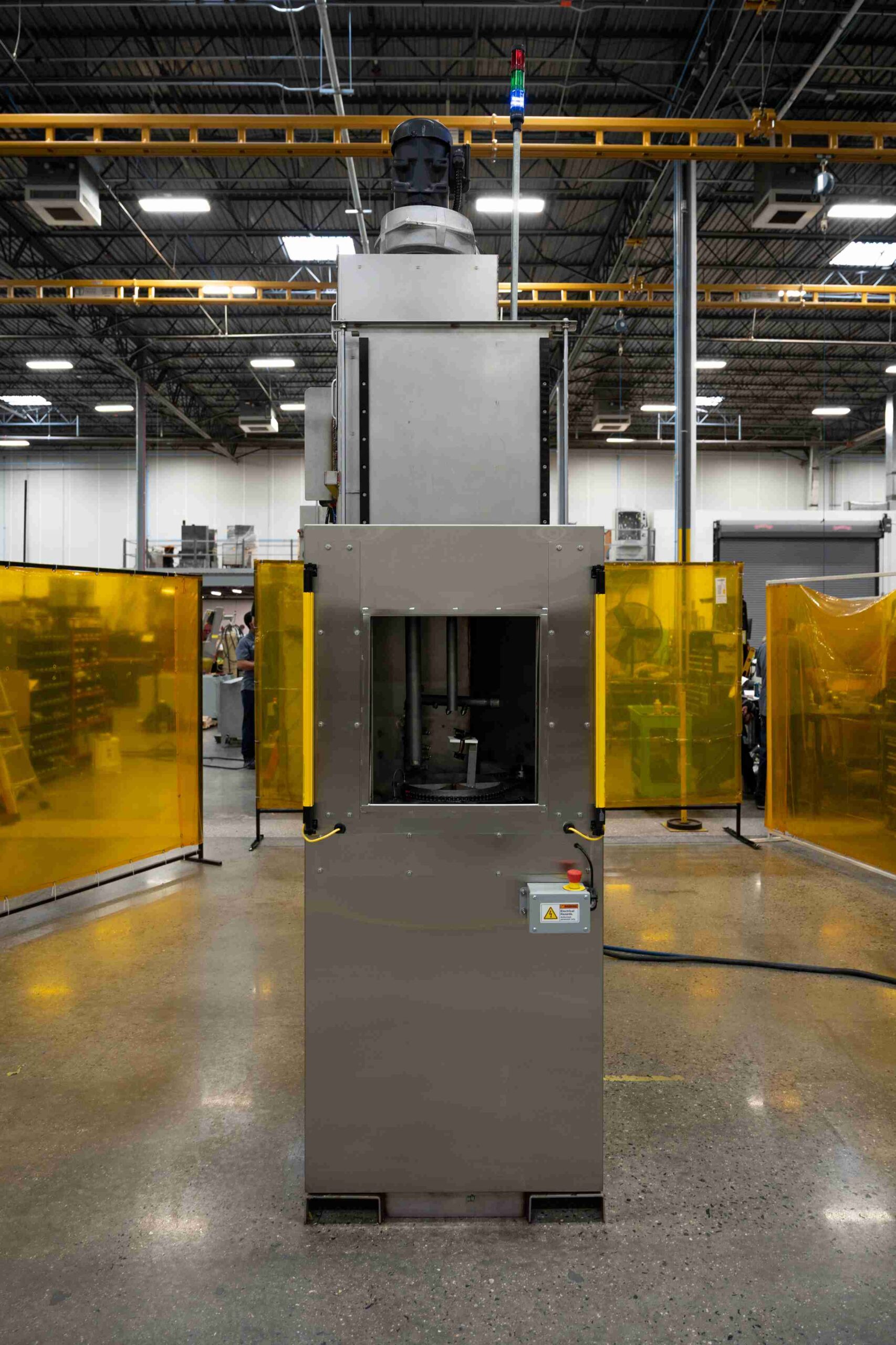
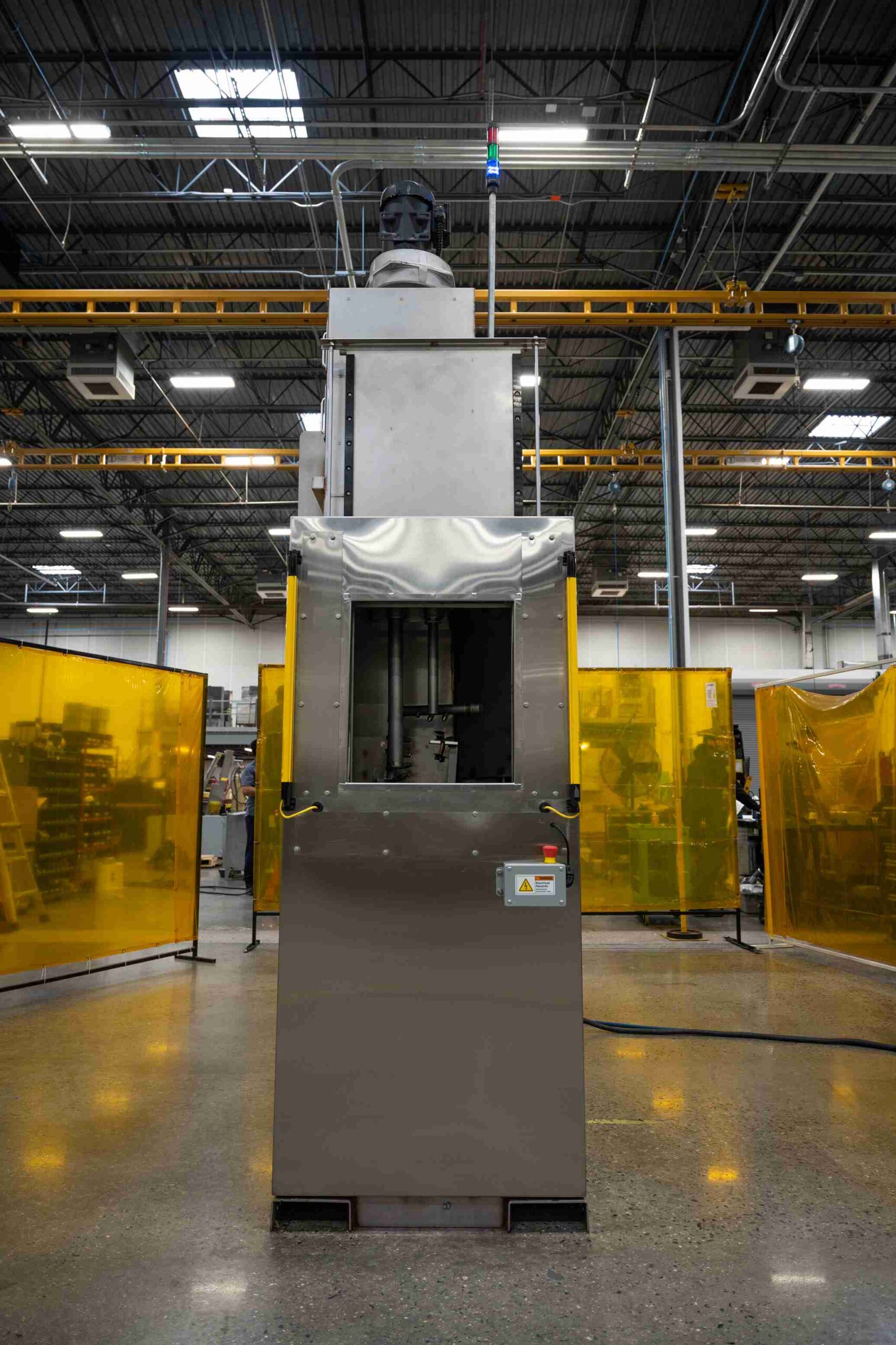
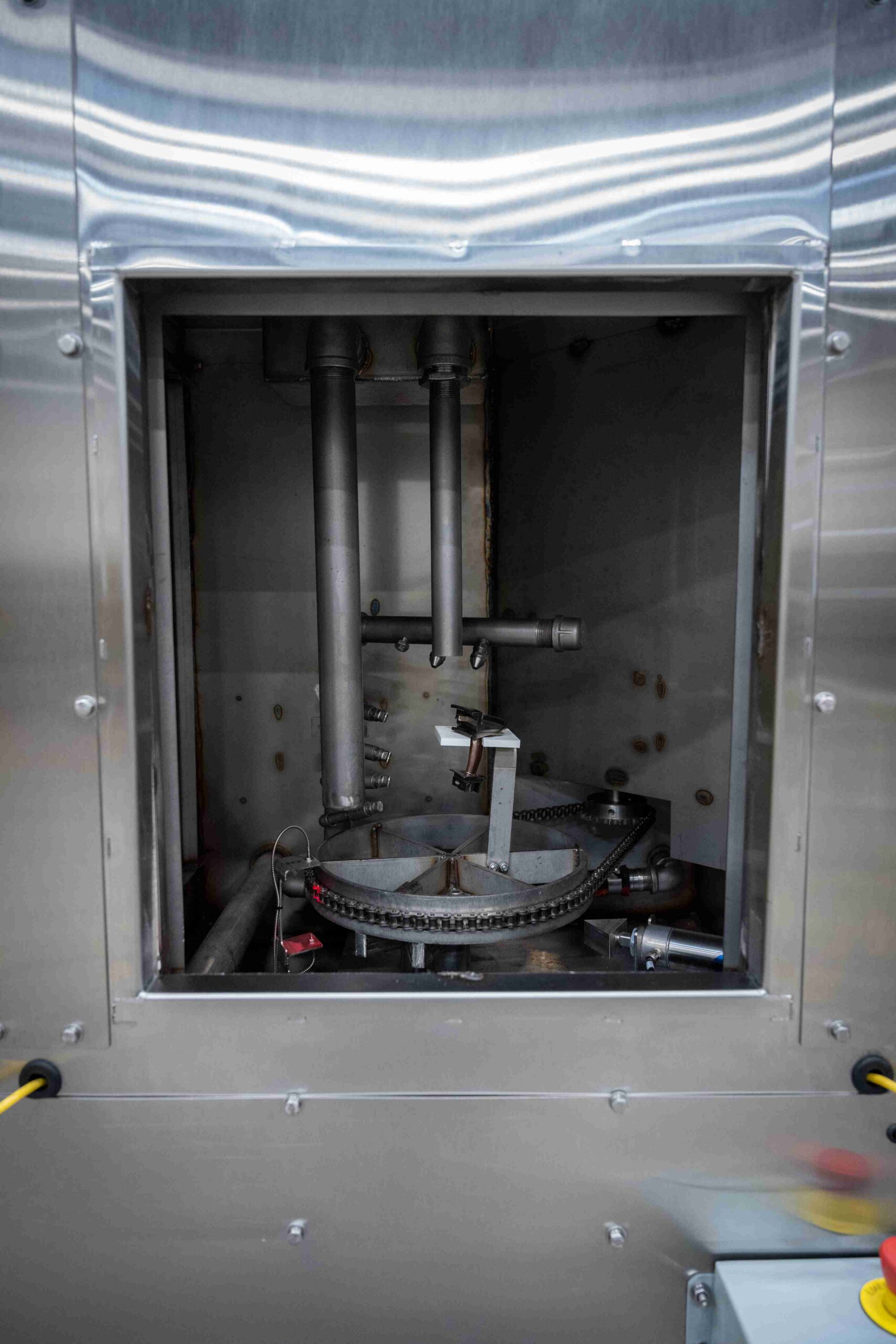
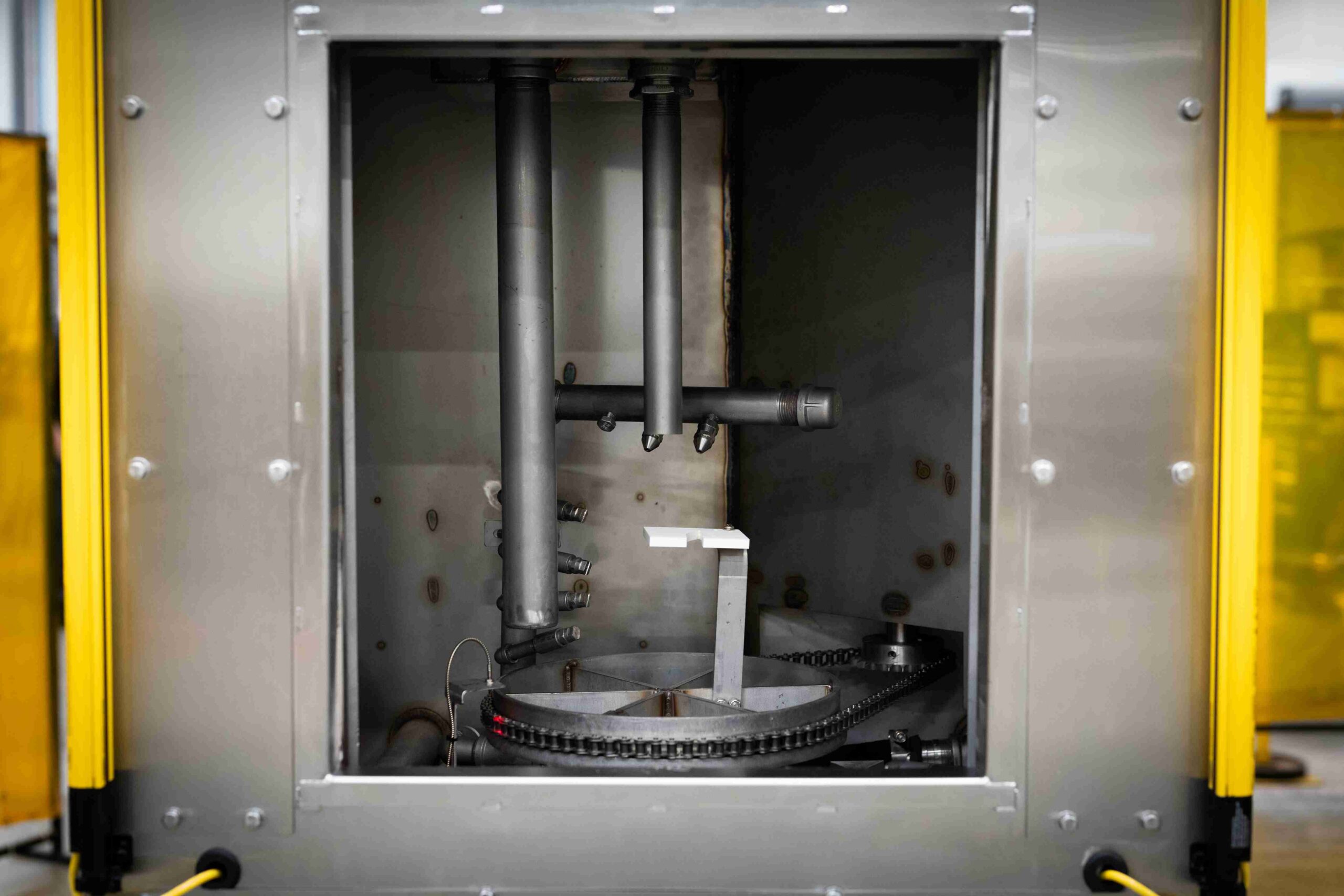
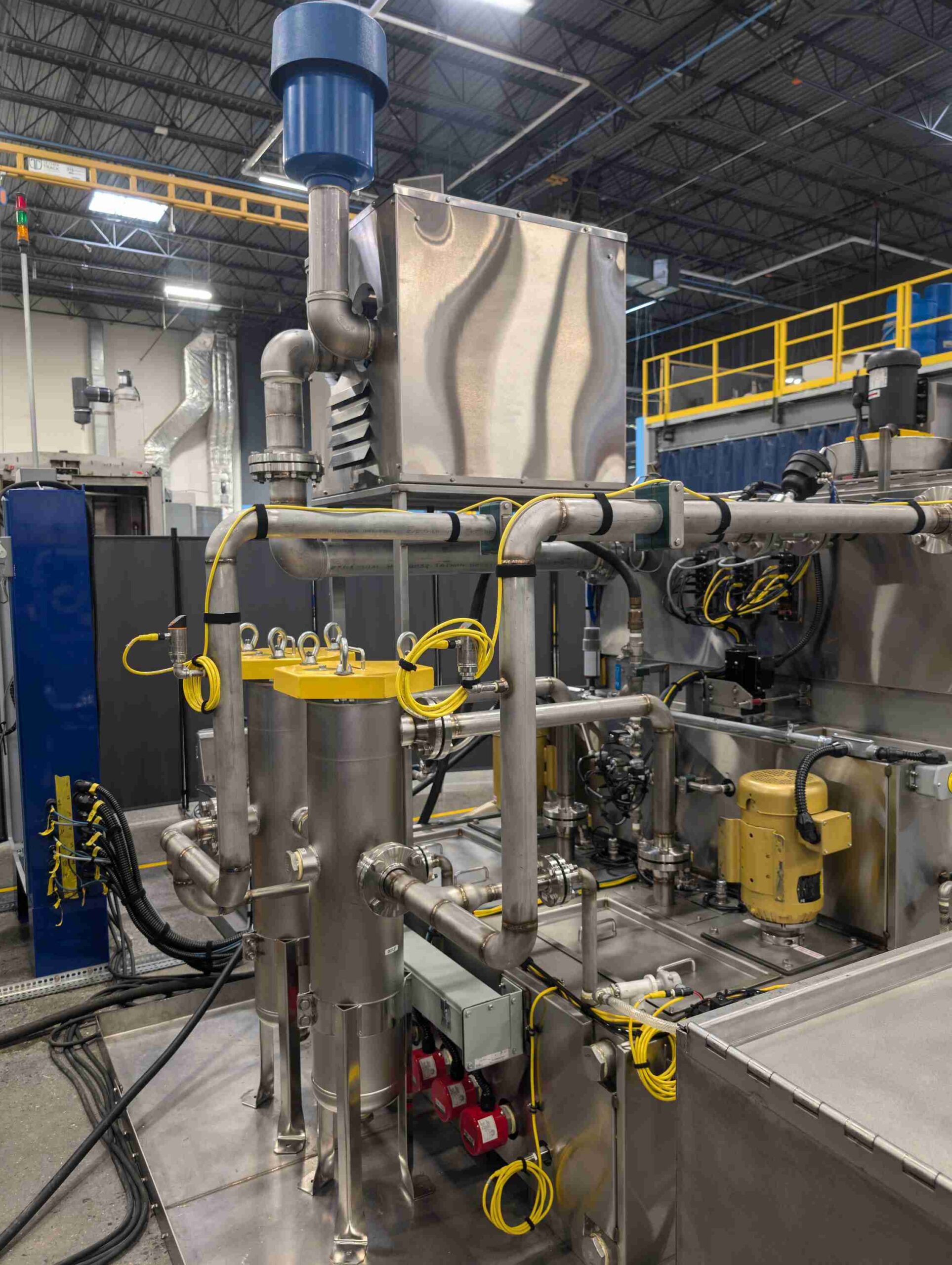
RTO (Return-to-Operator) Automatic Parts Washer

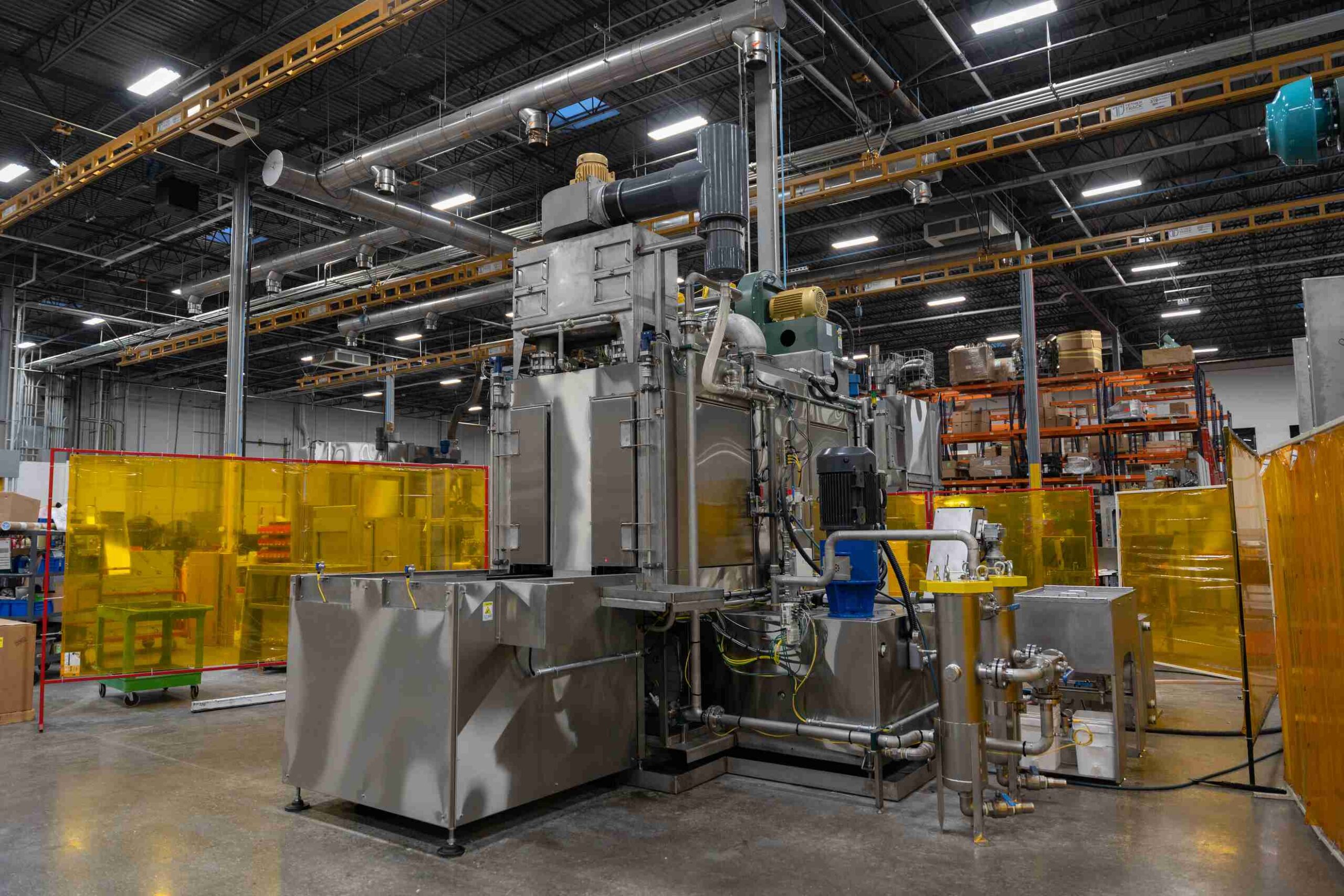
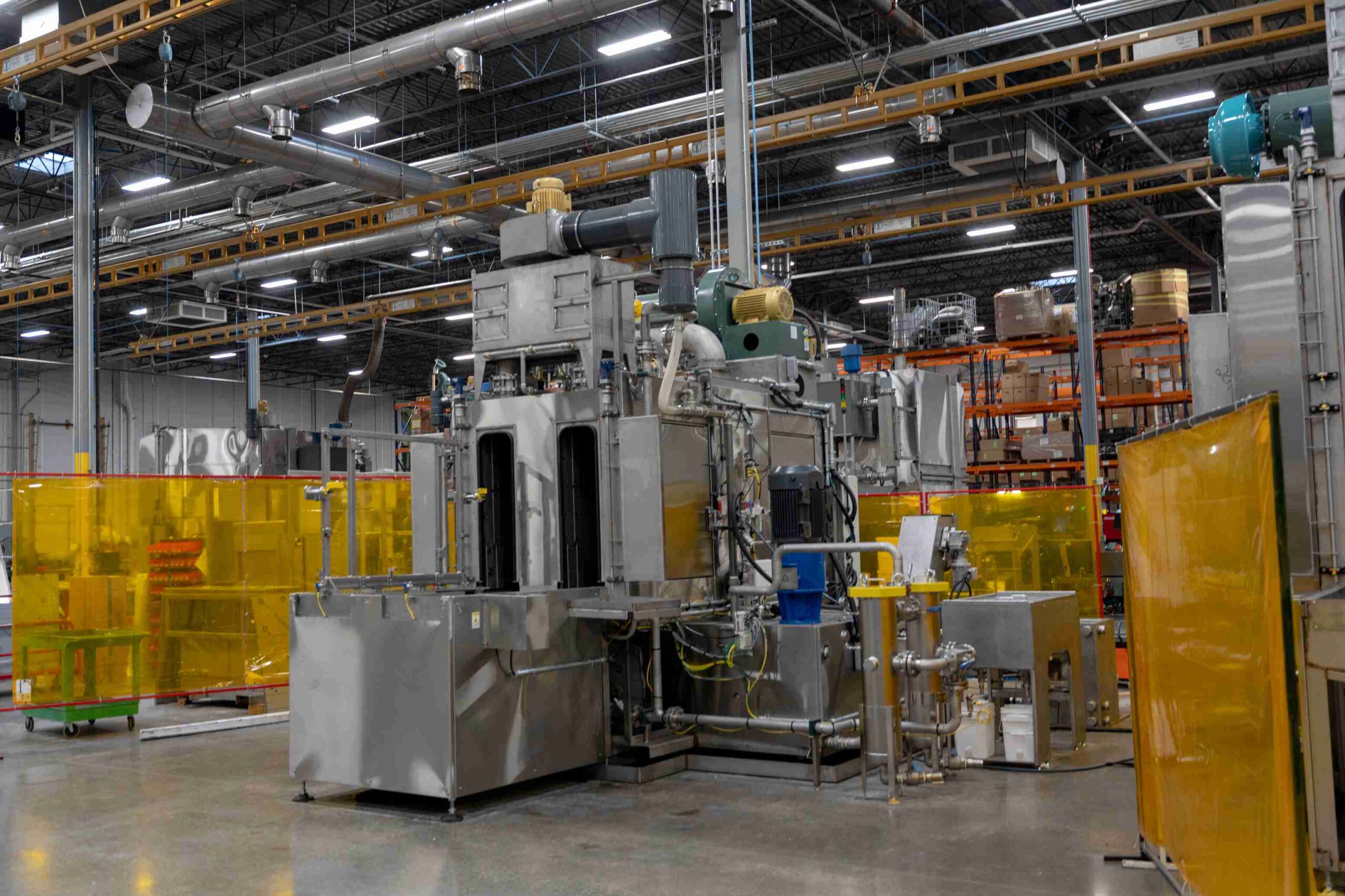
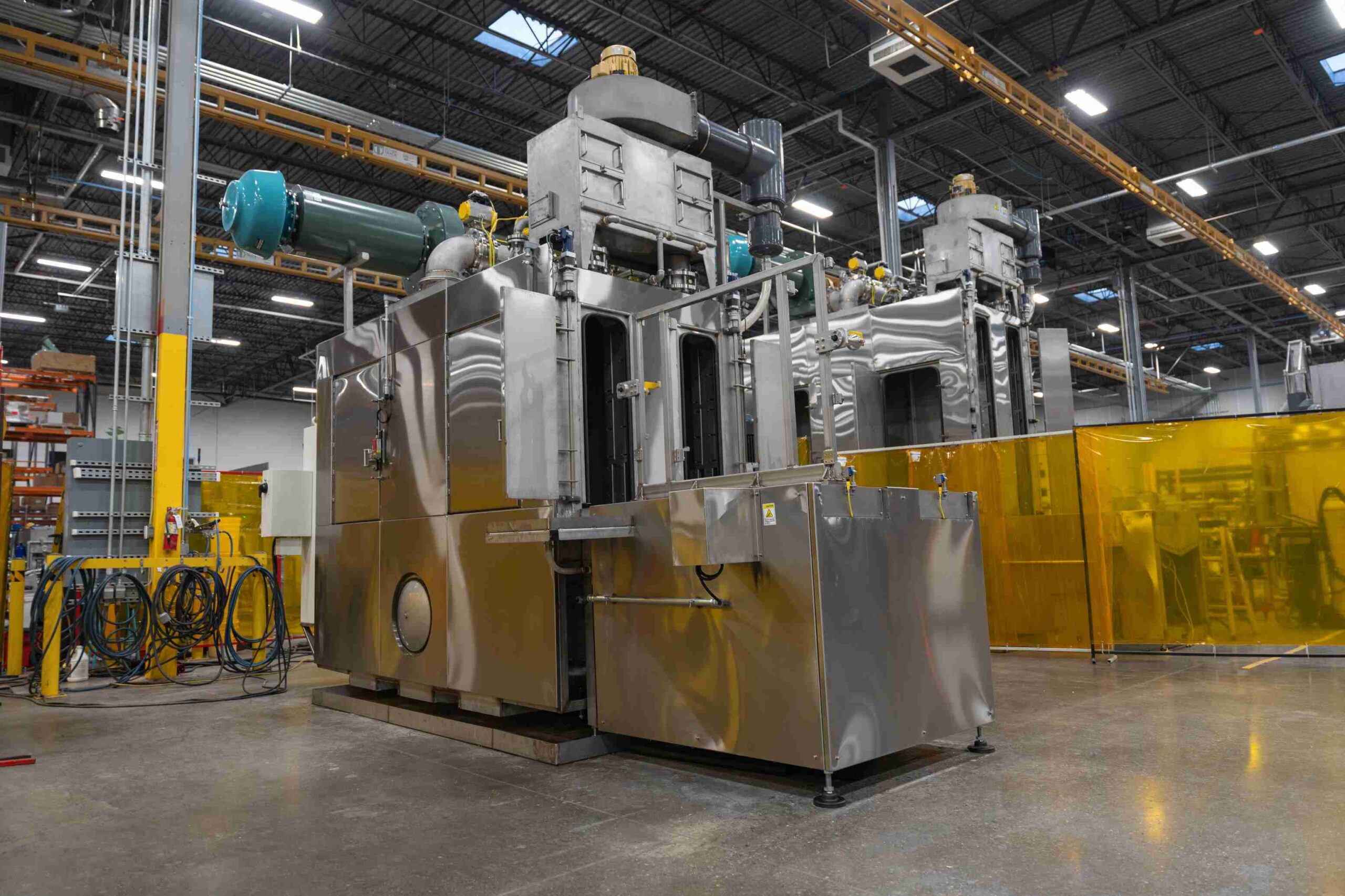
Better Engineering’s Return-to-Operator Parts Washers, also known as RTO parts washers, are compact automated cleaning systems designed for manufacturing work cells. An RTO washer is designed to return the cleaned part or load back to the same side of the machine where it was loaded, allowing one operator or robot to load, wash, rinse, dry, and unload parts from a single operating point.

Request a Quote online, or call (410) 931-0000 to speak with a member from our sales team.

Description

This return-to-operator design helps reduce operator movement, save floor space, and support lean production flow. Instead of requiring parts to travel through a long conveyorized washer, RTO systems provide automated cleaning in a compact work-cell layout that fits close to machining, assembly, inspection, or production equipment.

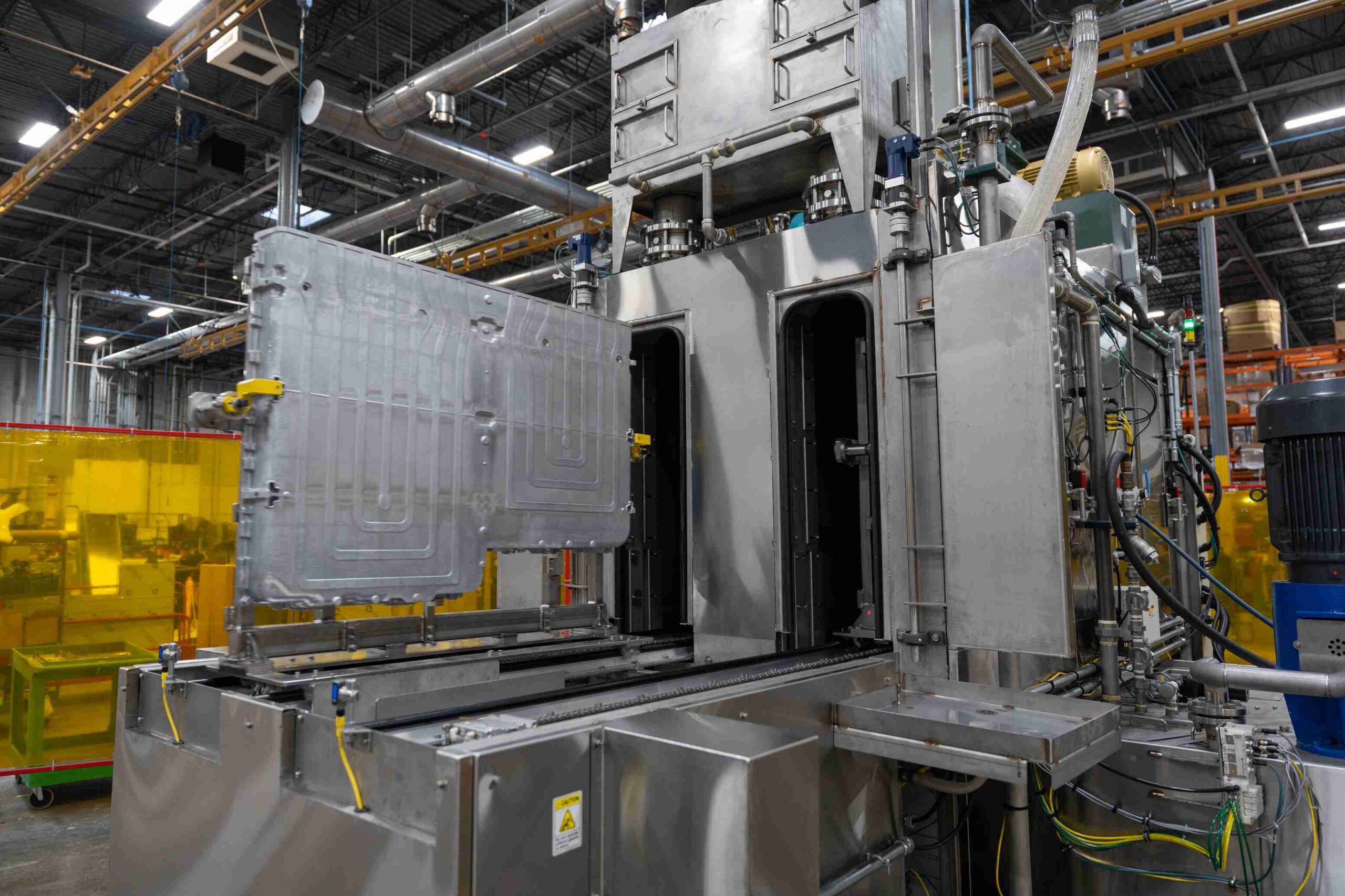
RTO systems are ideal for parts that move directly from process to process, one piece or one load at a time. Parts can be loaded and unloaded manually or by robot, and systems can be configured with automation integration so the machine can stop, start, load, unload, and cycle automatically.

By combining controlled wash, rinse, blow-off, drying, filtration, and PLC/HMI operation, Better Engineering RTO parts washers help manufacturers improve cleaning consistency, reduce manual handling, and keep production moving efficiently within a compact footprint.

Automated Parts Cleaning for Lean Manufacturing Cells

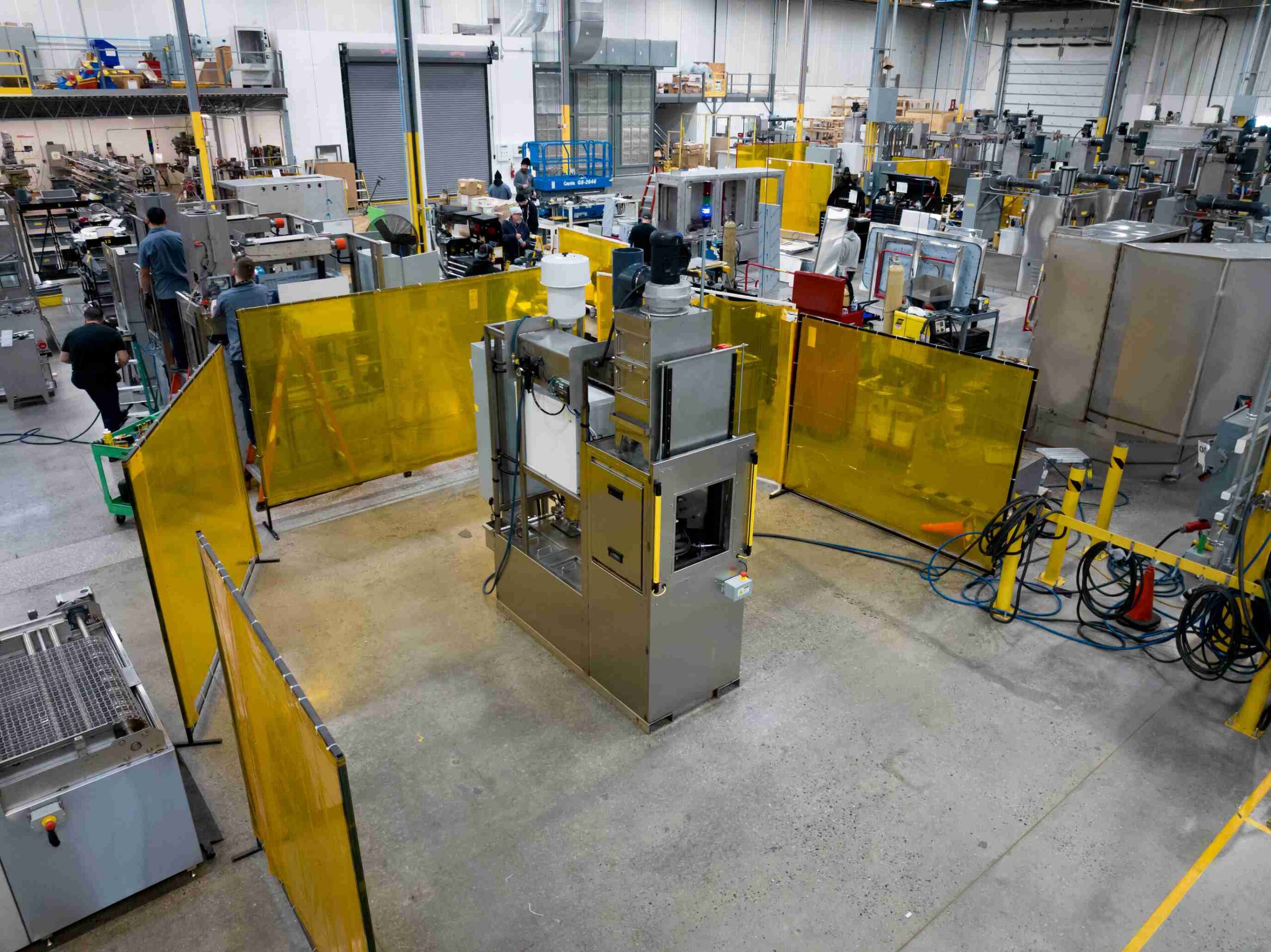
Return-to-operator washers are engineered to support cellular manufacturing environments where space, labor efficiency, and process flow matter. Instead of sending parts through a long pass-through system, an RTO washer keeps the cleaning process close to the operator, robot, or production cell.

Parts enter the system, move through the required wash, rinse, blow-off, and drying stages, then return to the same general loading area for unloading or transfer to the next process. This layout helps facilities reduce unnecessary part handling, limit travel between process steps, and improve work-cell efficiency.

By keeping cleaning integrated within the production flow, RTO parts washers help support lean manufacturing goals, reduce work-in-process movement, and make better use of valuable floor space.

Compact Systems with Wash, Rinse, and Dry Capability

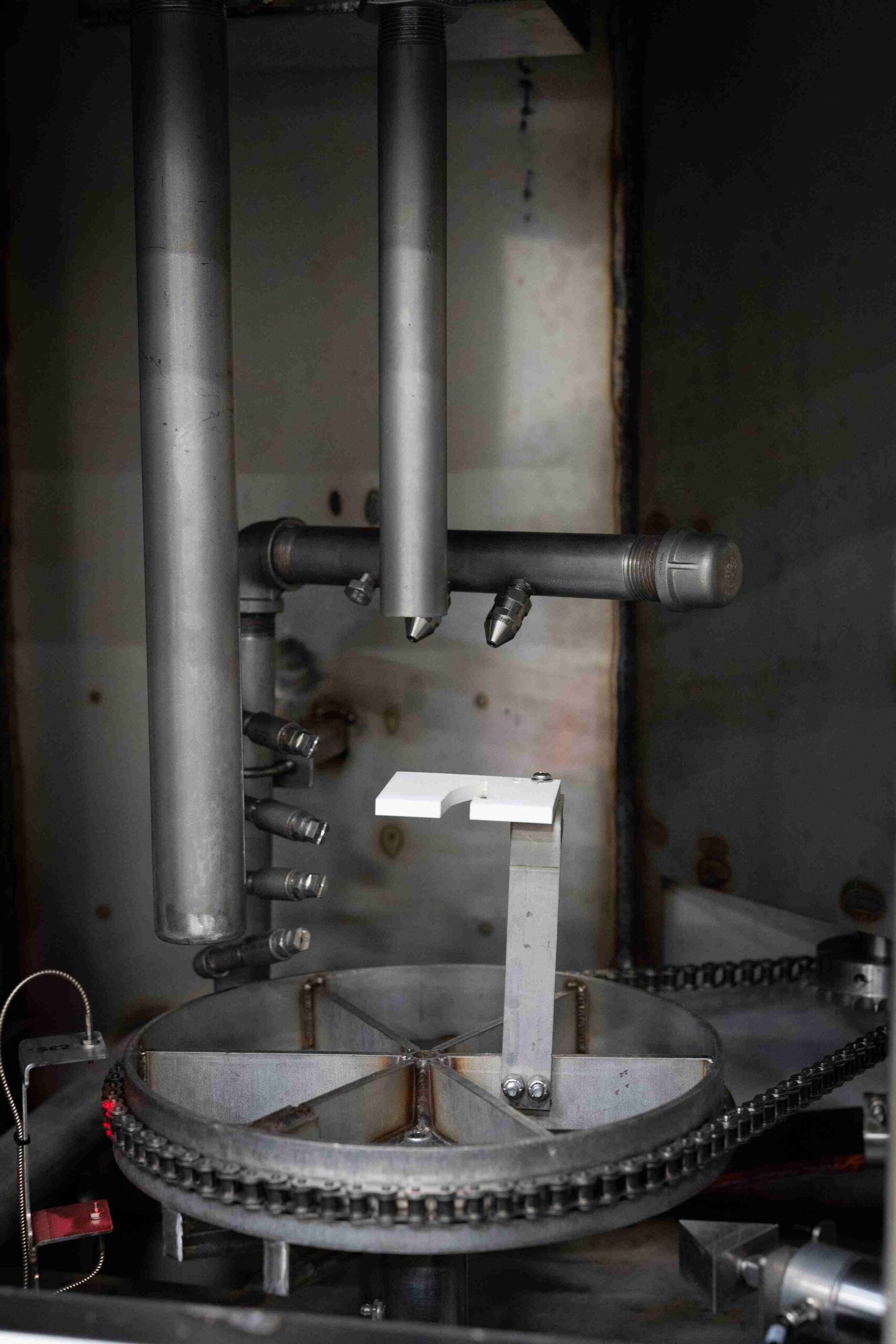
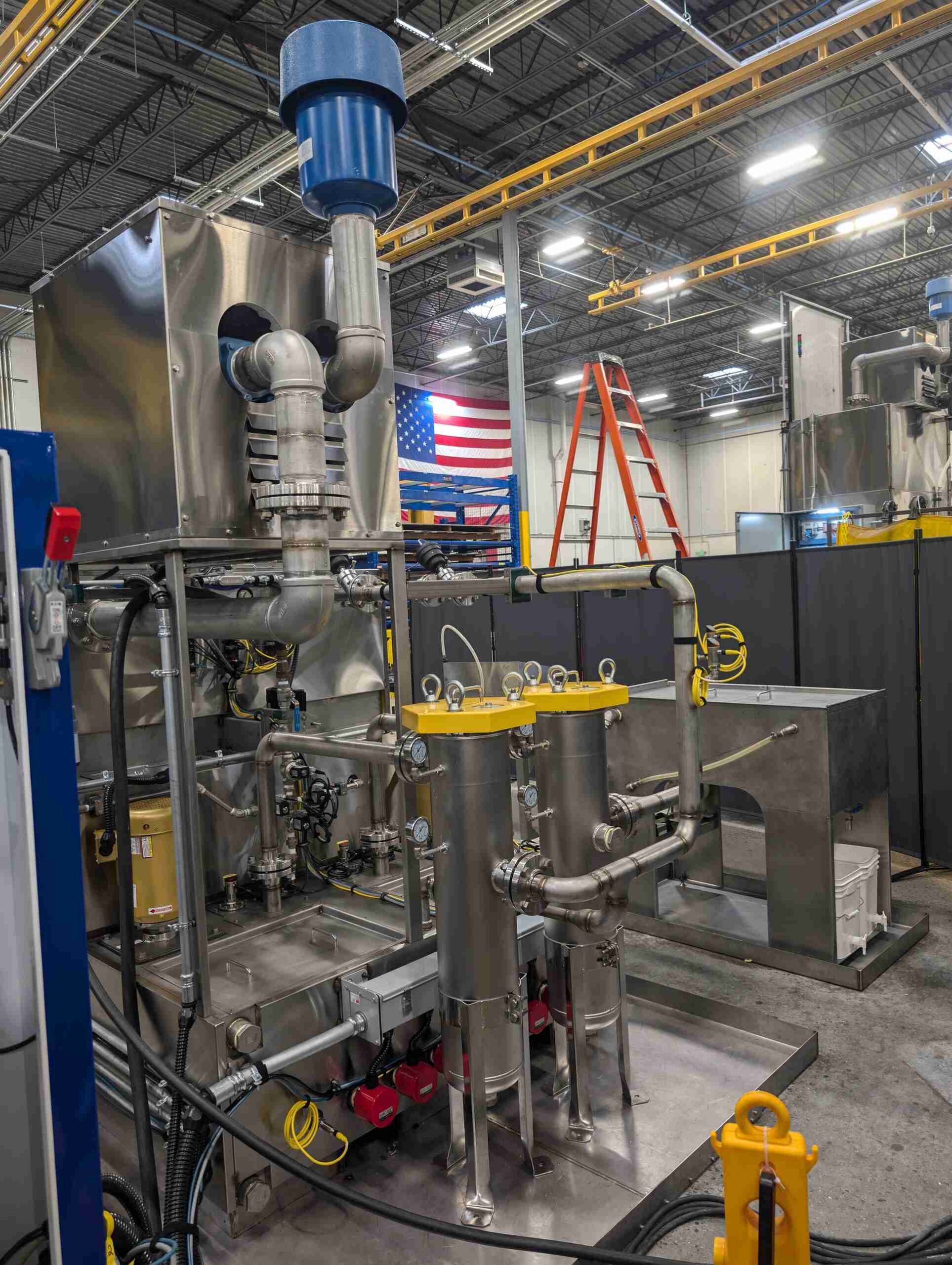
Better Engineering RTO parts washers can be configured with the wash, rinse, blow-off, and drying stages required for your application. These compact systems use aqueous-based cleaning chemistry and controlled cycle parameters to help facilities improve cleaning consistency, reduce manual labor, lower waste, and optimize water and energy use.

Whether used as a standalone work-cell washer or integrated into an automated production line, an RTO system helps keep cleaning close to the point of production while supporting repeatable wash, rinse, and dry performance.

Four Categories of Return-to-Operator Systems

Better Engineering offers multiple RTO parts washer configurations to match your part size, cleaning process, loading method, floor space, and production flow. From compact belt-style systems to carousel washers and custom automated cells, each return-to-operator washer is designed to bring cleaned parts back to the same general loading area for efficient operation. Better Engineering offers four main system configurations for RTO systems:

  1. RTO-1000 Systems: Compact return-to-operator systems that use conveyor belts to make a tight U-turn inside the cleaning chamber. Parts are typically washed on the incoming side, rinsed along the turn, and dried on the return path before returning to the operator.
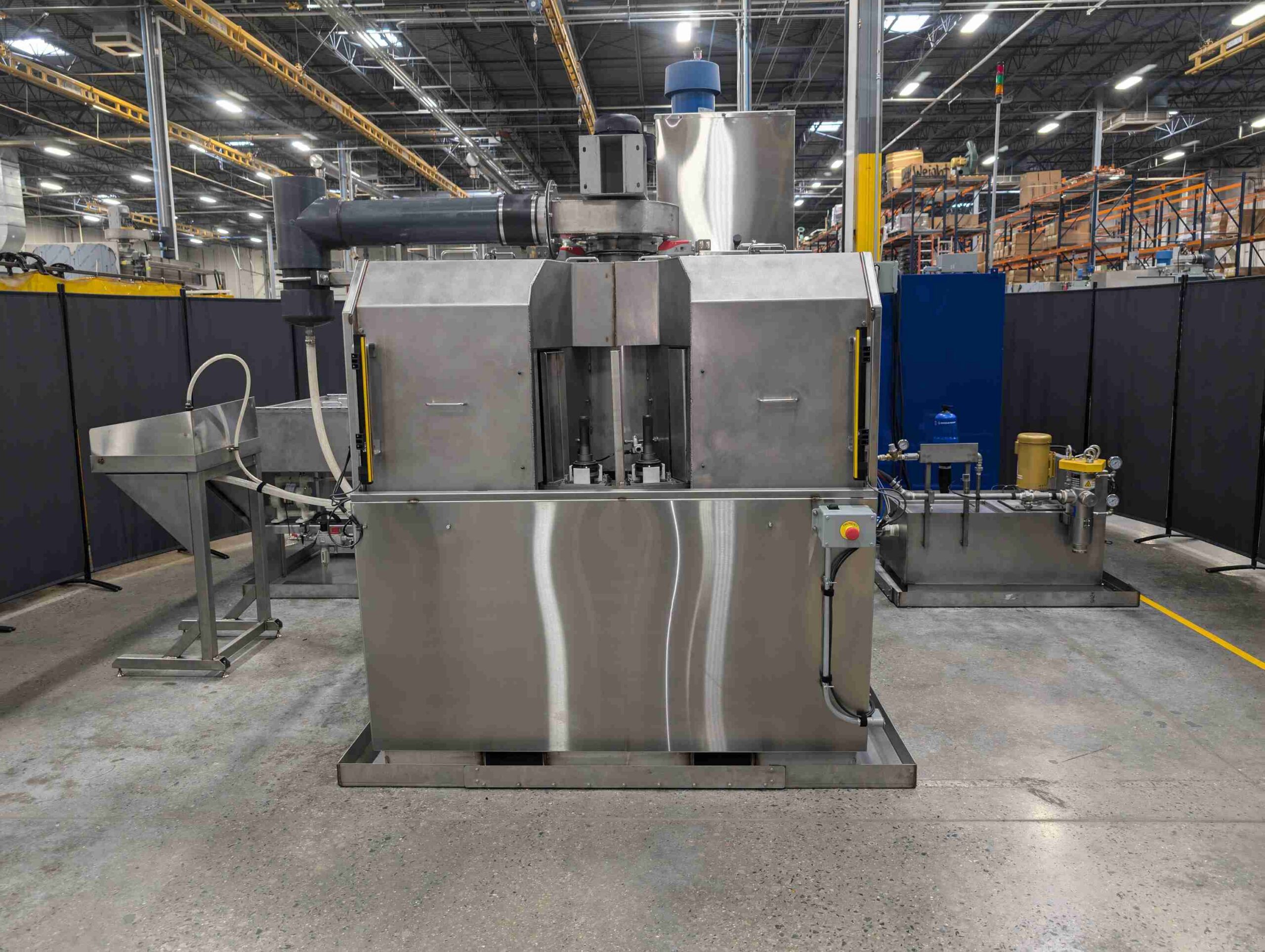
  2. RTO-2000 Systems: Super-compact spray washing systems with powered vertical doors. These systems can be configured with wash, rinse, blow-off, and drying stages and can be loaded manually, robotically, or as part of an automated work cell.
  3. Carousel Washers: Carousel-style parts washers with large rotating turntables, commonly available in 40-inch, 50-inch, 60-inch, or 70-inch diameter table configurations. Multiple parts can be loaded at once, and in one revolution, parts move through the cleaning process and return ready for unloading.
  4. Custom RTO Systems: Custom return-to-operator systems can include rotor units, multi-chamber washers, larger RTO layouts, robotic loading and unloading, specialized fixtures, and automation-integrated systems for unique part geometries or production requirements.

Target Industries & Applications

Return-to-operator washers are a strong fit for production environments that require efficient, repeatable parts cleaning within a compact footprint. These systems are commonly used in manufacturing work cells where parts need to be washed, rinsed, blown off, dried, and returned to the same operator, robot, or loading area.

Automation & Integration Ready

RTO systems can be designed for manual loading, robotic loading, or fully integrated automated sequencing. Depending on the application, systems can include precision positioning for robotic loading, roll-out dollies, stationary platforms, turntables, powered vertical doors, carousel-style processing, or multi-chamber layouts.

For customers with higher production requirements, multi-chamber RTO systems allow one chamber to be loaded while other chambers are in cycle, helping improve throughput without sacrificing the compact return-to-operator layout. For complex parts, rotor-style RTO units can rotate parts on a horizontal axis during spray washing to help flush internal passageways, cavities, and hard-to-reach features.

By combining compact design, flexible loading methods, robotic integration, and repeatable cycle control, Better Engineering RTO parts washers help manufacturers improve production flow, reduce manual handling, and keep cleaning close to the point of use.

Additional information

Common Applications

Automotive and EV components
Aerospace components
Machined parts
Castings and forgings
Transmission and engine components
Stamped parts
Manufacturing work-cell parts

Also Known As

RTO parts washer, return-to-operator washer, work cell parts washer, automated parts washer, automated cleaning system

System Purpose

Wash, rinse, fresh rinse, dry, and return parts to a single operating point

Primary Layout Benefit

Compact footprint for lean manufacturing cells

Loading Methods

Manual loading, robotic loading, direct loading, dolly loading

Cleaning Chemistry

Environmentally safe aqueous-based detergents

Process Options

Wash, rinse, fresh rinse, dry, and custom process stages

Best-Fit Environment

Cellular manufacturing and compact work-cell operations

Designed For a Range of Part Handling and Production Requirements

Including:

Manual loading
Robotic loading
Direct loading
Roll-out dolly loading
Turntable loading
Carousel-style processing
Multi-chamber production
Rotor-style cleaning for complex parts

Industry

Aerospace, Automotive and EV

Description

This return-to-operator design helps reduce operator movement, save floor space, and support lean production flow. Instead of requiring parts to travel through a long conveyorized washer, RTO systems provide automated cleaning in a compact work-cell layout that fits close to machining, assembly, inspection, or production equipment.

RTO systems are ideal for parts that move directly from process to process, one piece or one load at a time. Parts can be loaded and unloaded manually or by robot, and systems can be configured with automation integration so the machine can stop, start, load, unload, and cycle automatically.

By combining controlled wash, rinse, blow-off, drying, filtration, and PLC/HMI operation, Better Engineering RTO parts washers help manufacturers improve cleaning consistency, reduce manual handling, and keep production moving efficiently within a compact footprint.

Automated Parts Cleaning for Lean Manufacturing Cells

Return-to-operator washers are engineered to support cellular manufacturing environments where space, labor efficiency, and process flow matter. Instead of sending parts through a long pass-through system, an RTO washer keeps the cleaning process close to the operator, robot, or production cell.

Parts enter the system, move through the required wash, rinse, blow-off, and drying stages, then return to the same general loading area for unloading or transfer to the next process. This layout helps facilities reduce unnecessary part handling, limit travel between process steps, and improve work-cell efficiency.

By keeping cleaning integrated within the production flow, RTO parts washers help support lean manufacturing goals, reduce work-in-process movement, and make better use of valuable floor space.

Compact Systems with Wash, Rinse, and Dry Capability

Better Engineering RTO parts washers can be configured with the wash, rinse, blow-off, and drying stages required for your application. These compact systems use aqueous-based cleaning chemistry and controlled cycle parameters to help facilities improve cleaning consistency, reduce manual labor, lower waste, and optimize water and energy use.

Whether used as a standalone work-cell washer or integrated into an automated production line, an RTO system helps keep cleaning close to the point of production while supporting repeatable wash, rinse, and dry performance.

Four Categories of Return-to-Operator Systems

Better Engineering offers multiple RTO parts washer configurations to match your part size, cleaning process, loading method, floor space, and production flow. From compact belt-style systems to carousel washers and custom automated cells, each return-to-operator washer is designed to bring cleaned parts back to the same general loading area for efficient operation. Better Engineering offers four main system configurations for RTO systems:

  1. RTO-1000 Systems: Compact return-to-operator systems that use conveyor belts to make a tight U-turn inside the cleaning chamber. Parts are typically washed on the incoming side, rinsed along the turn, and dried on the return path before returning to the operator.
  2. RTO-2000 Systems: Super-compact spray washing systems with powered vertical doors. These systems can be configured with wash, rinse, blow-off, and drying stages and can be loaded manually, robotically, or as part of an automated work cell.
  3. Carousel Washers: Carousel-style parts washers with large rotating turntables, commonly available in 40-inch, 50-inch, 60-inch, or 70-inch diameter table configurations. Multiple parts can be loaded at once, and in one revolution, parts move through the cleaning process and return ready for unloading.
  4. Custom RTO Systems: Custom return-to-operator systems can include rotor units, multi-chamber washers, larger RTO layouts, robotic loading and unloading, specialized fixtures, and automation-integrated systems for unique part geometries or production requirements.

Target Industries & Applications

Return-to-operator washers are a strong fit for production environments that require efficient, repeatable parts cleaning within a compact footprint. These systems are commonly used in manufacturing work cells where parts need to be washed, rinsed, blown off, dried, and returned to the same operator, robot, or loading area.

Automation & Integration Ready

RTO systems can be designed for manual loading, robotic loading, or fully integrated automated sequencing. Depending on the application, systems can include precision positioning for robotic loading, roll-out dollies, stationary platforms, turntables, powered vertical doors, carousel-style processing, or multi-chamber layouts.

For customers with higher production requirements, multi-chamber RTO systems allow one chamber to be loaded while other chambers are in cycle, helping improve throughput without sacrificing the compact return-to-operator layout. For complex parts, rotor-style RTO units can rotate parts on a horizontal axis during spray washing to help flush internal passageways, cavities, and hard-to-reach features.

By combining compact design, flexible loading methods, robotic integration, and repeatable cycle control, Better Engineering RTO parts washers help manufacturers improve production flow, reduce manual handling, and keep cleaning close to the point of use.

Additional information

Common Applications

Automotive and EV components
Aerospace components
Machined parts
Castings and forgings
Transmission and engine components
Stamped parts
Manufacturing work-cell parts

Also Known As

RTO parts washer, return-to-operator washer, work cell parts washer, automated parts washer, automated cleaning system

System Purpose

Wash, rinse, fresh rinse, dry, and return parts to a single operating point

Primary Layout Benefit

Compact footprint for lean manufacturing cells

Loading Methods

Manual loading, robotic loading, direct loading, dolly loading

Cleaning Chemistry

Environmentally safe aqueous-based detergents

Process Options

Wash, rinse, fresh rinse, dry, and custom process stages

Best-Fit Environment

Cellular manufacturing and compact work-cell operations

Designed For a Range of Part Handling and Production Requirements

Including:

Manual loading
Robotic loading
Direct loading
Roll-out dolly loading
Turntable loading
Carousel-style processing
Multi-chamber production
Rotor-style cleaning for complex parts

Industry

Aerospace, Automotive and EV

This return-to-operator design helps reduce operator movement, save floor space, and support lean production flow. Instead of requiring parts to travel through a long conveyorized washer, RTO systems provide automated cleaning in a compact work-cell layout that fits close to machining, assembly, inspection, or production equipment.

RTO systems are ideal for parts that move directly from process to process, one piece or one load at a time. Parts can be loaded and unloaded manually or by robot, and systems can be configured with automation integration so the machine can stop, start, load, unload, and cycle automatically.

By combining controlled wash, rinse, blow-off, drying, filtration, and PLC/HMI operation, Better Engineering RTO parts washers help manufacturers improve cleaning consistency, reduce manual handling, and keep production moving efficiently within a compact footprint.

Automated Parts Cleaning for Lean Manufacturing Cells

Return-to-operator washers are engineered to support cellular manufacturing environments where space, labor efficiency, and process flow matter. Instead of sending parts through a long pass-through system, an RTO washer keeps the cleaning process close to the operator, robot, or production cell.

Parts enter the system, move through the required wash, rinse, blow-off, and drying stages, then return to the same general loading area for unloading or transfer to the next process. This layout helps facilities reduce unnecessary part handling, limit travel between process steps, and improve work-cell efficiency.

By keeping cleaning integrated within the production flow, RTO parts washers help support lean manufacturing goals, reduce work-in-process movement, and make better use of valuable floor space.

Compact Systems with Wash, Rinse, and Dry Capability

Better Engineering RTO parts washers can be configured with the wash, rinse, blow-off, and drying stages required for your application. These compact systems use aqueous-based cleaning chemistry and controlled cycle parameters to help facilities improve cleaning consistency, reduce manual labor, lower waste, and optimize water and energy use.

Whether used as a standalone work-cell washer or integrated into an automated production line, an RTO system helps keep cleaning close to the point of production while supporting repeatable wash, rinse, and dry performance.

Four Categories of Return-to-Operator Systems

Better Engineering offers multiple RTO parts washer configurations to match your part size, cleaning process, loading method, floor space, and production flow. From compact belt-style systems to carousel washers and custom automated cells, each return-to-operator washer is designed to bring cleaned parts back to the same general loading area for efficient operation. Better Engineering offers four main system configurations for RTO systems:

  1. RTO-1000 Systems: Compact return-to-operator systems that use conveyor belts to make a tight U-turn inside the cleaning chamber. Parts are typically washed on the incoming side, rinsed along the turn, and dried on the return path before returning to the operator.
  2. RTO-2000 Systems: Super-compact spray washing systems with powered vertical doors. These systems can be configured with wash, rinse, blow-off, and drying stages and can be loaded manually, robotically, or as part of an automated work cell.
  3. Carousel Washers: Carousel-style parts washers with large rotating turntables, commonly available in 40-inch, 50-inch, 60-inch, or 70-inch diameter table configurations. Multiple parts can be loaded at once, and in one revolution, parts move through the cleaning process and return ready for unloading.
  4. Custom RTO Systems: Custom return-to-operator systems can include rotor units, multi-chamber washers, larger RTO layouts, robotic loading and unloading, specialized fixtures, and automation-integrated systems for unique part geometries or production requirements.

Target Industries & Applications

Return-to-operator washers are a strong fit for production environments that require efficient, repeatable parts cleaning within a compact footprint. These systems are commonly used in manufacturing work cells where parts need to be washed, rinsed, blown off, dried, and returned to the same operator, robot, or loading area.

Automation & Integration Ready

RTO systems can be designed for manual loading, robotic loading, or fully integrated automated sequencing. Depending on the application, systems can include precision positioning for robotic loading, roll-out dollies, stationary platforms, turntables, powered vertical doors, carousel-style processing, or multi-chamber layouts.

For customers with higher production requirements, multi-chamber RTO systems allow one chamber to be loaded while other chambers are in cycle, helping improve throughput without sacrificing the compact return-to-operator layout. For complex parts, rotor-style RTO units can rotate parts on a horizontal axis during spray washing to help flush internal passageways, cavities, and hard-to-reach features.

By combining compact design, flexible loading methods, robotic integration, and repeatable cycle control, Better Engineering RTO parts washers help manufacturers improve production flow, reduce manual handling, and keep cleaning close to the point of use.

Additional information

Common Applications

Automotive and EV components
Aerospace components
Machined parts
Castings and forgings
Transmission and engine components
Stamped parts
Manufacturing work-cell parts

Also Known As

RTO parts washer, return-to-operator washer, work cell parts washer, automated parts washer, automated cleaning system

System Purpose

Wash, rinse, fresh rinse, dry, and return parts to a single operating point

Primary Layout Benefit

Compact footprint for lean manufacturing cells

Loading Methods

Manual loading, robotic loading, direct loading, dolly loading

Cleaning Chemistry

Environmentally safe aqueous-based detergents

Process Options

Wash, rinse, fresh rinse, dry, and custom process stages

Best-Fit Environment

Cellular manufacturing and compact work-cell operations

Designed For a Range of Part Handling and Production Requirements

Including:

Manual loading
Robotic loading
Direct loading
Roll-out dolly loading
Turntable loading
Carousel-style processing
Multi-chamber production
Rotor-style cleaning for complex parts

Industry

Aerospace, Automotive and EV