The terms “industrial cleaning”, “sanitization”, and “sterilization” are often misunderstood or misapplied, leading to confusion in industries where precise outcomes are critical. While all three involve maintaining cleanliness, their objectives, processes, and applications differ significantly. Industrial cleaning focuses on removing visible and functional contaminants such as oils, greases, and residues, while sanitization targets microbial reduction to ensure hygiene and safety. Misinterpreting these terms can result in selecting systems that are not suited to the actual requirements, potentially compromising performance or regulatory compliance. Understanding these differences is essential when determining how to approach cleaning or sanitization in your operation.
Defining Your Objective
Before specifying a system, it’s essential to identify the specific goal you need to achieve. Functional cleanliness focuses on removing visible and tangible contaminants, such as oils, greases, and particulates, to ensure optimal performance in industrial processes. In contrast, achieving hygienic safety involves reducing microbial presence to acceptable levels, which is vital for protecting public health and meeting industry standards.
Without a clear understanding of the desired outcome, there is a risk of investing in systems that do not meet operational or regulatory needs. For example, industries such as automotive, which prioritize process reliability, may require a robust cleaning system to remove particulates at the micron level, whereas those handling consumables, such as food or sensitive products like pharmaceuticals, may require sanitization or sterilization to mitigate microbial risks.
Determining whether your application requires soil removal, pathogen reduction, or both ensures the chosen system meets performance expectations. Decision-makers should carefully evaluate contaminants of concern, the acceptable cleanliness level (cleanliness specifications), and any regulatory or validation requirements applicable to their industry. This approach prevents confusion and ensures that selected equipment efficiently meets both functional and compliance objectives.
What is Industrial Cleaning?
Industrial cleaning involves processes designed to remove visible and functional contaminants that can interfere with equipment performance or downstream product quality. Industrial cleaning is often used in industries such as automotive, aerospace, and metalworking. These contaminants usually include oils, greases, particulate matter, and chemical residues that accumulate during manufacturing or maintenance operations.
The goal of industrial cleaning is not just aesthetic but to ensure the reliability and efficiency of industrial systems. Cleaning performance is measured by how effectively a system handles specific soil types, depending on the application. For instance, heavy-duty systems might focus on removing tough industrial grease, think remanufactured engines, while others may target fine particulates in precision manufacturing, such as in the electric vehicle industry.
The Engineering Behind Industrial Cleaning
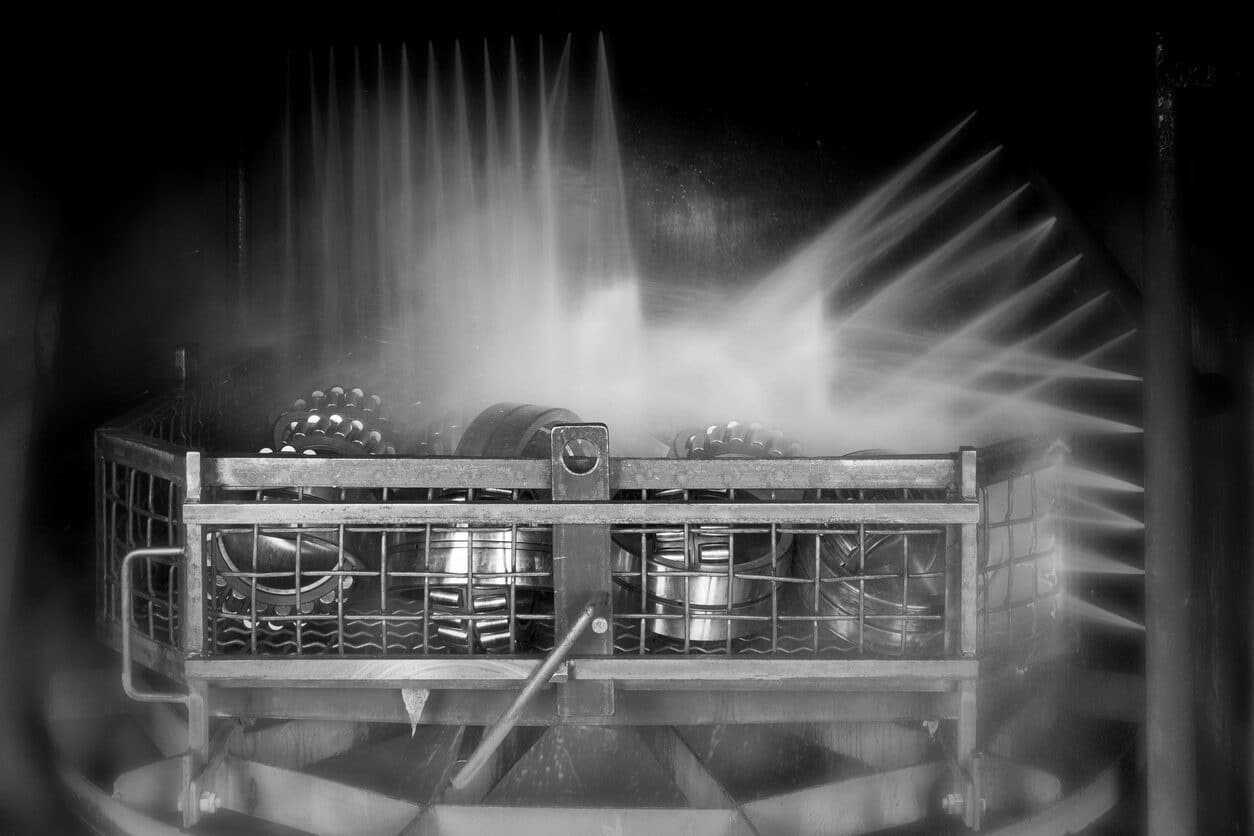
Industrial cleaning systems rely on a combination of time, mechanical energy, chemical action, and thermal effects to effectively remove contaminants. Mechanical energy, such as high-pressure sprays or agitation, physically dislodges soils from surfaces. Chemical agents, such as aqueous detergents, are selected to break down or dissolve specific residues, ensuring compatibility with the materials being cleaned and the types of contaminants present. Filtration systems are integral to capturing and separating soil particles, preventing recontamination during cleaning.
Temperature is another key factor; higher temperatures can enhance chemical effectiveness and reduce the time required for soil removal. System design often emphasizes durability and operational efficiency, enabling consistent performance under demanding conditions. Features such as optimized spray patterns, adjustable flow rates, and robust construction materials are tailored to specific industrial environments, ensuring they can handle a range of debris and challenging operational requirements.
Exploring Sanitization
Sanitization in industrial applications focuses on reducing microbial levels to acceptable limits, prioritizing hygiene over mere physical cleanliness. This process plays a vital role in environments where contamination poses risks to public health or product integrity. Sanitization methods often involve a combination of chemical agents, thermal control, and exposure time to achieve the desired microbial reduction. Unlike cleaning, which focuses on removing visible contaminants, sanitization requires precise validation (ATP, EB, TOC) to ensure effectiveness, particularly in regulated industries. Key factors include selecting sanitization agents compatible with the materials and surfaces being treated and ensuring proper application to avoid residual buildup. Equipment used in sanitization systems is specifically designed to meet stringent hygiene standards, incorporating smooth surfaces, radiused corners, and materials resistant to microbial adhesion.
Engineering Principles for Sanitization

Sanitization systems are designed to meet strict hygiene requirements and minimize microbial risks. One key aspect is the use of smooth, non-porous surfaces to prevent microbial adhesion and facilitate thorough cleaning. Materials such as 316L stainless steel are commonly used for their durability, corrosion resistance, and ability to withstand exposure to sanitizing agents. Sloped surfaces are another critical feature, ensuring that no liquid remains trapped within equipment, as stagnant fluids can harbor microbial growth. Welds and joints must meet high-quality standards to avoid crevices that could trap contaminants.
Precise temperature control is crucial, typically above 180°F, as heat significantly reduces microbial populations, particularly when combined with chemical agents. Consistent exposure time to heat or sanitizing chemicals ensures repeatable results and compliance with industry requirements. Clean-in-Place (CIP) capability is often integrated into sanitization systems, enabling automated, self-cleaning processes that reduce manual intervention and improve consistency. Hygienic design also prioritizes accessibility, ensuring all surfaces can be effectively cleaned and sanitized without risk of contamination buildup in hidden areas.
Flow patterns and strategically placed nozzles are optimized to promote even distribution of cleaning agents, avoiding untreated zones. These engineering choices are essential to achieving validated microbial reduction while maintaining equipment integrity and product quality within the system. Riboflavin testing is a fluorescent tracer method used in pharmaceutical machine-building to verify that cleaning and wash systems reach all required surfaces. A riboflavin solution is applied to product-contact areas, then the equipment is run through its normal cleaning cycle. Under UV light, any residual fluorescence highlights hard-to-clean zones, shadowed areas, or spray-coverage gaps, helping teams optimize the design and validate cleanability before commissioning.
Exploring Sterilization
Sterilization is the process of eliminating all viable microorganisms, including bacteria, viruses, fungi, and spores. Unlike sanitization, which reduces microbial levels, sterilization aims to destroy all microbial life within defined parameters.
Sterilization is typically required in highly regulated or critical environments such as pharmaceutical manufacturing, medical device production, and certain biotechnology applications. These processes are governed by strict validation and documentation requirements and are only effective when preceded by thorough cleaning.
Engineering Considerations For Sterilization
Systems designed for sterilization must withstand repeated exposure to high temperatures, pressurized steam, or aggressive chemical sterilants without material breakdown. Surface finishes, material selection, and system geometry must support uniform exposure to the sterilizing agent.
Precise control of temperature, exposure time, and process repeatability is essential. Sterilization systems often incorporate advanced monitoring, data logging, and validation features to support regulatory compliance. These systems are typically integrated into controlled production workflows rather than used as standalone cleaning solutions.
When to Choose Industrial Cleaning
Industrial cleaning is suitable for scenarios in which removing visible and functional contaminants is sufficient to maintain system performance and product quality. This type of cleaning is particularly effective for removing materials such as coolants, oils, greases, particulates, and residues that accumulate during manufacturing or maintenance. By focusing on soil removal rather than microbial reduction, industrial cleaning systems are optimized for efficiency and durability, making them ideal for industries where hygiene regulations are not the primary concern. These systems often leverage mechanical action, chemical agents, and temperature to achieve thorough cleaning, ensuring operational reliability in heavy-duty environments.
When Sanitization is Necessary
In specific industries, controlling microbial contamination is not optional; it is required to meet strict hygiene standards. This is particularly true in regulated environments like food processing, pharmaceuticals, and healthcare, where the presence of harmful microorganisms poses significant risks to consumer safety and product integrity. Sanitization systems are essential in these settings to consistently reduce microbial levels to meet industry-defined thresholds. They are often designed to support precise validation processes (IQ, OQ), in which testing and documentation are required to confirm their effectiveness.
Sanitization processes frequently incorporate chemical agents and thermal methods tailored to eliminate or neutralize specific microorganisms. The materials and design of sanitization equipment also play a crucial role in maintaining hygiene. Smooth, non-porous surfaces prevent microbial adhesion, while features such as drainability and high-quality welds eliminate areas where contaminants can accumulate. Additionally, clean-in-place (CIP) systems are commonly used to automate machine cleaning between shifts, ensuring consistent application of sanitizing agents and reducing the risk of human error.
In hygiene-critical applications, the consequences of inadequate sanitization extend beyond regulatory violations. Contamination incidents can lead to recalls, legal liability, and reputational damage, underscoring the importance of investing in systems specifically designed for microbial control. This level of precision and reliability is necessary to comply with audits, meet customer specifications, and protect public health and the business’s operational success.
When Sterilization is Required
Sterilization is necessary when any microbial presence is unacceptable. Applications involving sterile pharmaceuticals, implantable medical devices, or controlled laboratory environments typically require sterilization rather than sanitization. Using a system not designed for sterilization in these environments introduces significant compliance and safety risks.
Combining Cleaning and Sanitization
Some industries require both effective soil removal and microbial reduction, necessitating systems that integrate cleaning and sanitization processes. In these scenarios, a staged or zoned approach is often employed, where distinct phases are designed to handle specific tasks. For example, the initial cleaning stage focuses on removing visible contaminants like blood, preparing the surfaces for the subsequent sanitization step. This sequence ensures that sanitizing agents can directly target microorganisms without interference from residual soils.
Engineering such combined systems involves careful consideration of design priorities for each phase. The cleaning stage may emphasize high mechanical force, chemical action, and robust filtration to maximize soil removal, while the sanitization phase prioritizes smooth surfaces, proper drainability, precise temperature control, and chemical concentration to ensure microbial reduction.
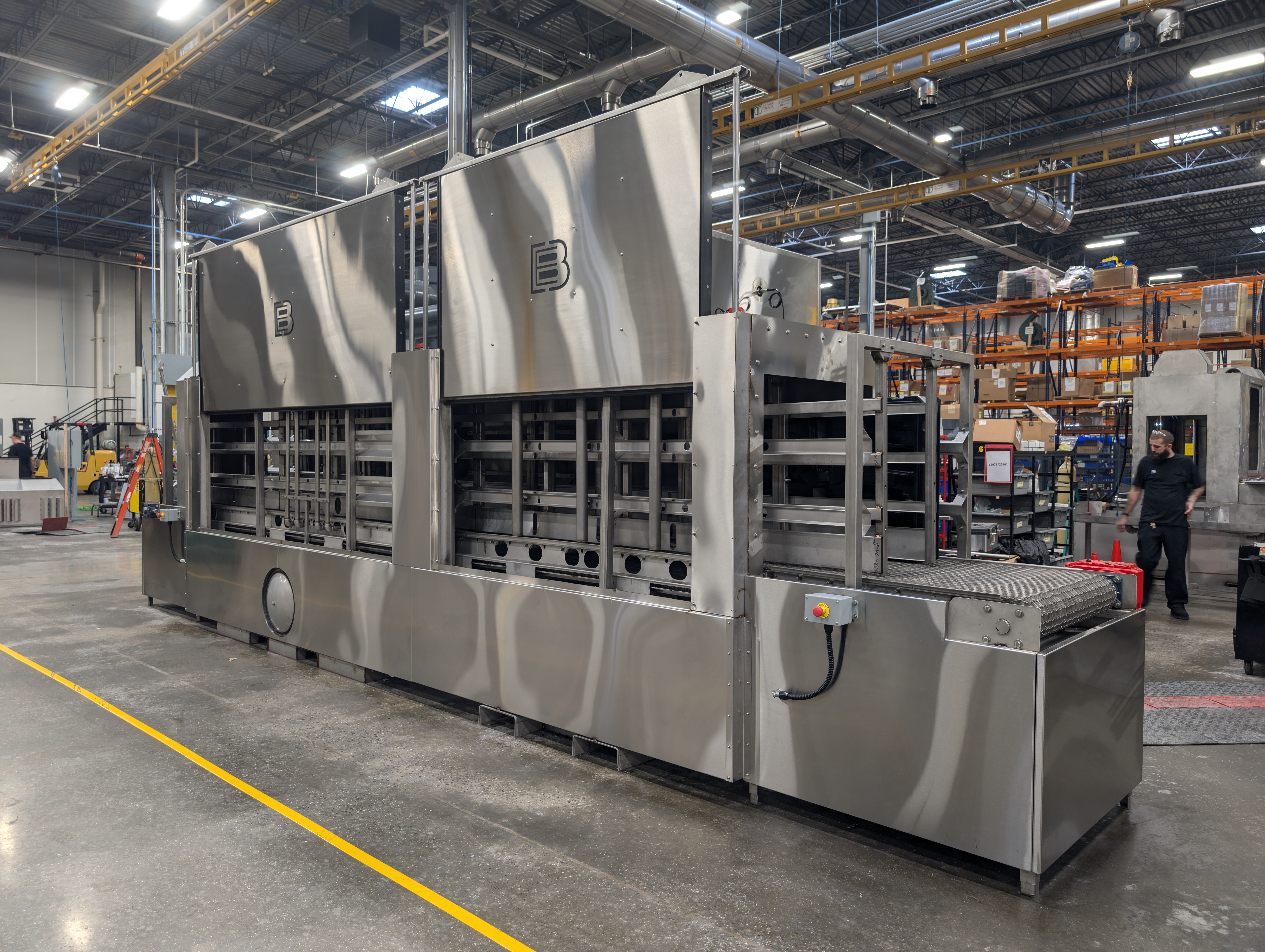
Integrating both processes into a single system can present trade-offs. Increased complexity may require additional validation, as each phase must meet specific performance criteria, such as a strict temperature range. Automated cleaning systems, such as conveyor tunnel washers, can help streamline operations by enabling seamless transitions between cleaning and sanitizing cycles. Properly balancing the needs of both processes is critical to achieving the desired outcomes without compromising efficiency, reliability, or regulatory compliance. Effective coordination of these stages ensures optimal performance tailored to the demands of hygiene-critical environments.
Making the Right System Choice
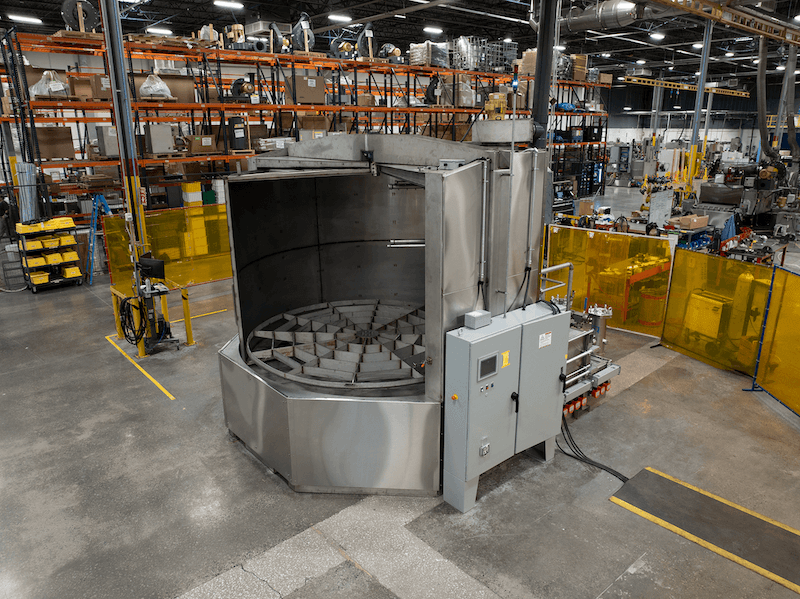
Selecting the right system begins with a detailed assessment of your operational needs and compliance requirements. Start by identifying the types of contaminants present in your process, whether visible soils like grease and residue or microscopic threats such as bacteria and other pathogens. Establish the required level of cleanliness or microbial reduction, as this will determine whether industrial cleaning, sanitization, or both are necessary.
Consider the industry standards or regulations governing your operation, as they may mandate specific cleaning or sanitization processes, materials, or validation steps. For instance, sectors such as food processing or pharmaceuticals often require systems designed with advanced hygiene features, while manufacturing industries might prioritize robust cleaning solutions for functional purposes.
Performance verification is another critical factor. Whether through testing for visible cleanliness or validating microbial reduction, the ability to measure outcomes will ensure the system meets its intended purpose. Additionally, assess how the system will integrate into your current workflow and the level of automation required to optimize efficiency. Clean-in-place (CIP) functionality can be a valuable feature in reducing manual intervention and ensuring consistency in high-demand environments.
By aligning system capabilities with your operational goals, regulatory obligations, and process conditions, you can ensure the equipment is both practical and cost-efficient, minimizing downtime and ensuring compliance.
Avoiding Common Misconceptions
Misunderstandings about cleaning and sanitization systems can lead to inefficiencies and even compliance risks. One common error is assuming that higher pressure in cleaning systems always delivers better results; in reality, excessive pressure can damage surfaces or fail to effectively address specific contaminants. Similarly, the belief that a single system can handle all cleaning, sterilization, and sanitization tasks equally well overlooks the need for tailored solutions designed to meet distinct objectives.
Another misconception is underestimating the importance of proper material selection and design. For example, using materials incompatible with cleaning agents, sterilizers, or sanitizers can lead to equipment corrosion, reduced performance, or contamination risks. Additionally, industries often neglect hygienic design principles outside the food and pharmaceutical sectors, missing the operational benefits of features such as smooth surfaces, drainage, and easy-to-clean equipment. Overreliance on visual inspection to assess cleanliness is another pitfall, as it fails to account for microbial presence, which may require specific detection methods. These missteps can lead to selecting systems that compromise performance, durability, or compliance with industry standards. Recognizing these misconceptions is critical to making informed decisions that align with operational goals and regulatory demands.
Conclusion
Choosing between industrial cleaning, sanitization, and sterilization depends on understanding your operation’s specific requirements. Each process addresses unique challenges: cleaning focuses on soil removal, and sanitization targets microbial reduction. Attempting to use a system designed for one purpose for another often results in degraded performance or compliance risks. Clear definitions and careful planning are essential to ensure equipment meets both operational and regulatory needs.
Industrial cleaning systems are well-suited for applications where visible contaminants are the primary concern, offering efficiency and durability for process-driven cleanliness. On the other hand, sanitization systems prioritize hygienic safety, ensuring microbial risks are effectively controlled in regulated environments. For applications requiring both outcomes, combined systems can deliver robust performance when properly engineered to address each objective.
Investing in the right system not only minimizes operational disruptions but also ensures compliance with industry standards and customer requirements. By tailoring equipment specifications to contaminants, hygiene requirements, and performance expectations, businesses can achieve reliable, consistent results. Taking the time to evaluate your specific goals and challenges ensures that the chosen solution is both cost-effective and aligned with long-term operational success. Decision-makers who adopt this approach are better positioned to optimize performance and maintain process integrity.
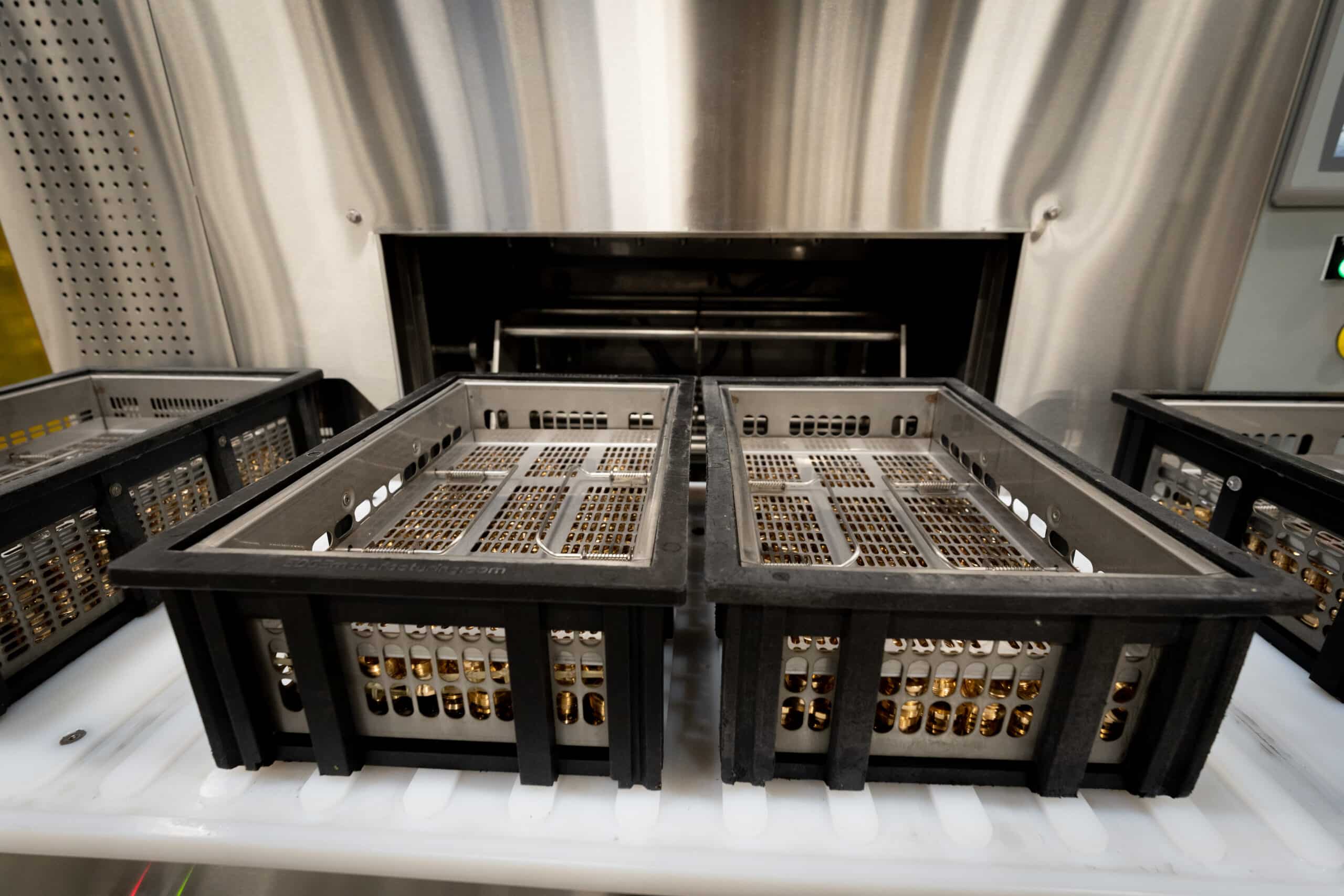
Ready to learn more about our rotary basket part washers? Contact us to learn more or request free, no-obligation parts testing.